When Americans Owned Seven Dresses and Felt Rich
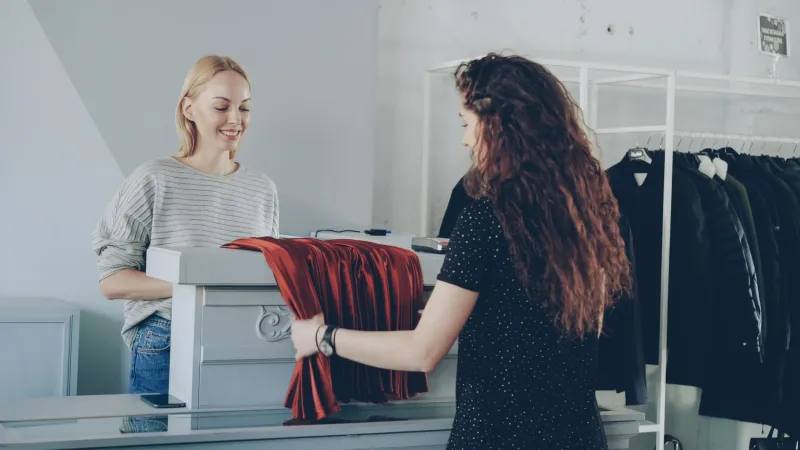
The average American woman in 1950 owned seven dresses. Today, she buys 68 items of clothing per year. One generation treasured quality garments for decades; the next discards fast fashion in months.
Then vs Now. The world changed more than you think.
The average American woman in 1950 owned seven dresses. Today, she buys 68 items of clothing per year. One generation treasured quality garments for decades; the next discards fast fashion in months.
In 1981, a basic savings account paid 12% annual interest. You could literally get rich slowly by doing nothing but saving money. Then interest rates collapsed, and an entire generation learned to gamble instead of save.
In 1950, the average movie ticket cost 46 cents — about $5.50 in today's money. Now that same ticket costs $10.78 nationally, with premium formats pushing it over $20. How did America's favorite pastime become a luxury experience?
Fifty years ago, calling a plumber meant talking to Joe himself, not a call center in another state. He'd quote you a fair price over the phone and show up that afternoon with his toolbox and his reputation on the line.
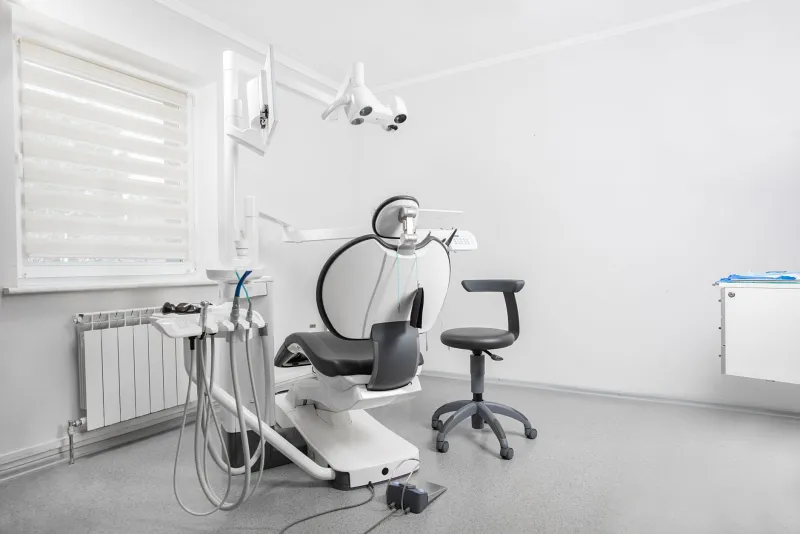
In 1960, a cleaning cost $4 and your family dentist might accept fresh vegetables as payment. Today, the same visit averages $200 and millions of Americans simply go without dental care entirely.
Before interstates carved up the landscape and airlines made flying routine, America's passenger trains were rolling hotels that turned every journey into an event. We built the world's most extensive rail network, then systematically dismantled the passenger experience that made other countries envious.
In 1960, a dad could take his three kids to see Mickey Mantle play for the price of a single hot dog at today's Yankee Stadium. Here's how America's pastime quietly became America's most expensive hobby.
In 1950, a factory worker could buy a pound of butter for the same price as mailing a letter. Today, that same grocery trip costs the equivalent of 15 stamps — and we're supposedly more efficient at making food than ever before.
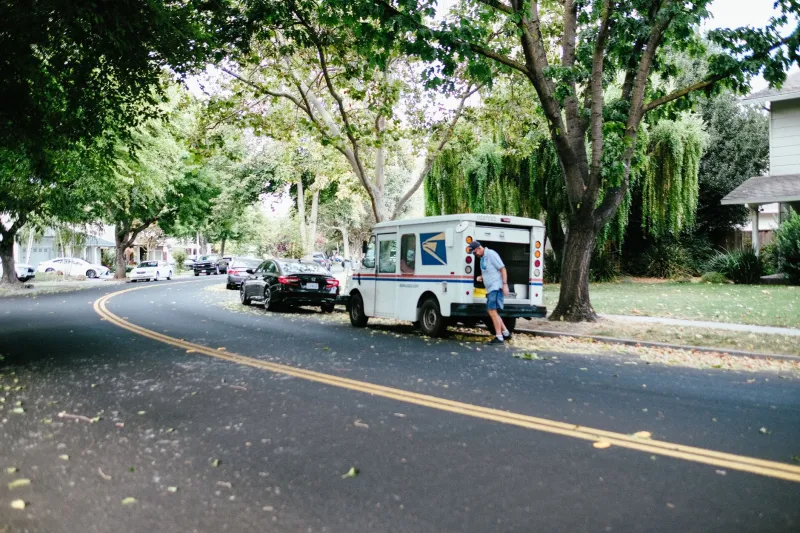
Before texting killed romance, Americans spent hours crafting handwritten letters that crossed the country by train and horseback. The wait was agonizing, but the payoff was pure magic.
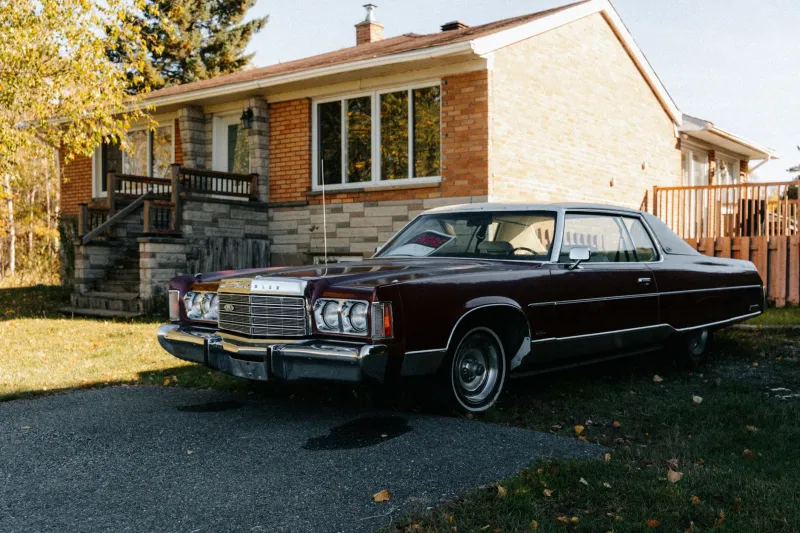
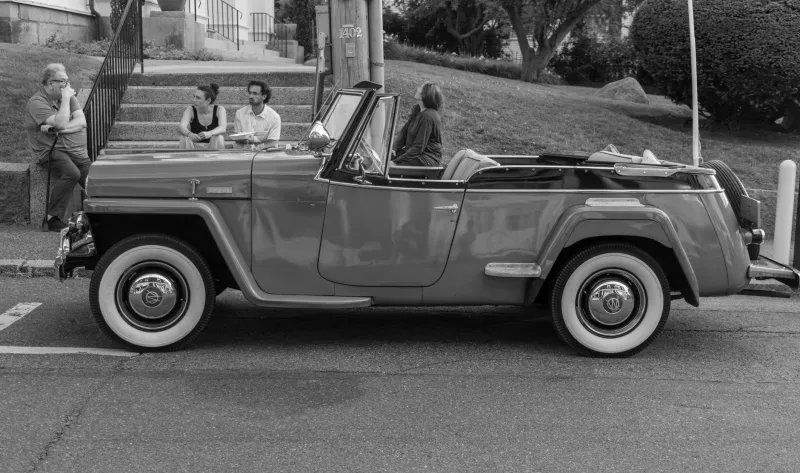
In 1972, you could drive a brand-new Ford Pinto off the lot for $1,919. Today, many Americans pay more than that just to insure their used cars for a single year. The hidden costs of car ownership have exploded in ways that would shock previous generations.
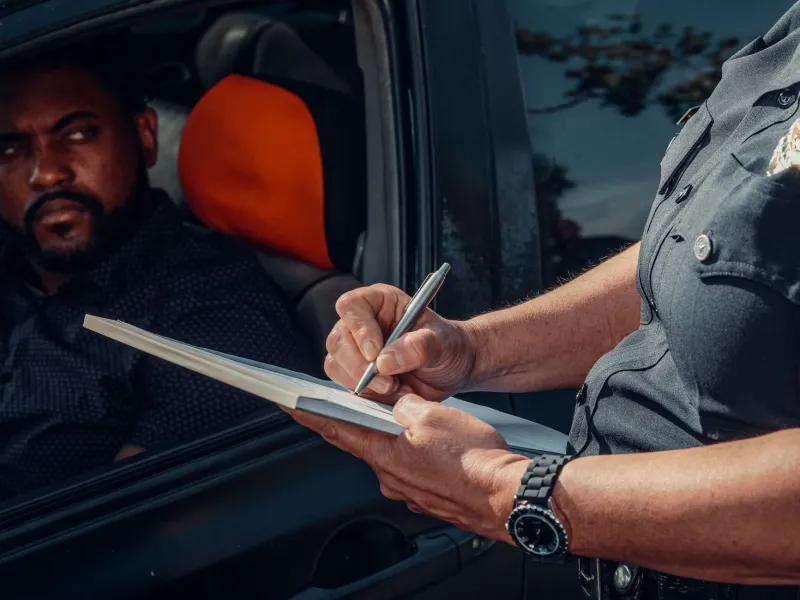
In 1960, a parking ticket cost 50 cents and a speeding fine was five bucks. Today's traffic violations can spiral into thousand-dollar debts that destroy credit scores and suspend licenses. Here's how America's traffic enforcement became a hidden taxation system.
In 1960, a speeding ticket often came with a handshake and local directions. Today, you might get a citation in the mail from a camera you never saw, processed by an algorithm that doesn't care if your grandmother was dying.
In 1940, a simple cut could lead to death, and breaking your leg meant months of uncertainty. Today's trauma medicine would seem like pure magic to someone from just 80 years ago.
In the 1970s and 80s, children vanished after breakfast and returned at dinnertime without causing a neighborhood search party. Today, letting your 8-year-old walk to the corner store alone might earn you a visit from Child Protective Services.
In 1978, three months of scooping ice cream or mowing lawns could cover an entire year at state university. Today, that same summer hustle barely pays for textbooks. Here's how the American dream of working your way through college quietly disappeared.
Before smartphones turned us into walking contact databases, Americans carried dozens of phone numbers in their heads and could tell you the life story of every person on their block. The shift from analog memory to digital convenience quietly rewired how we connect with each other.
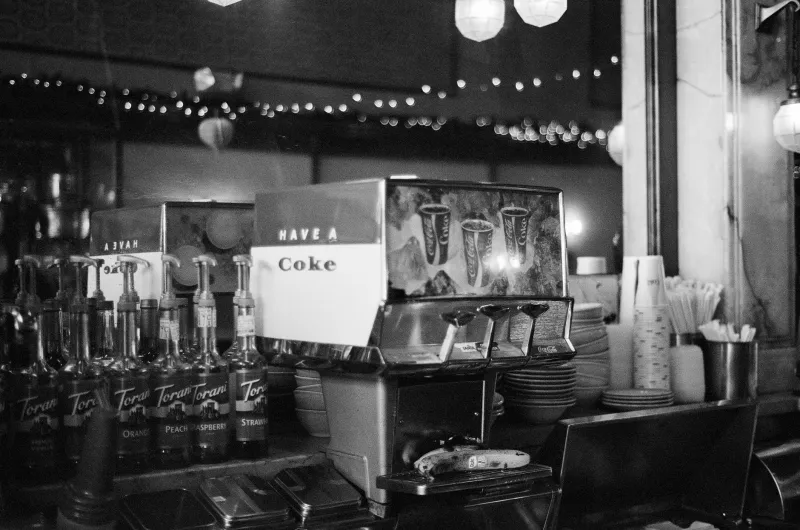
In 1950, your school lunch cost a dime and was prepared from scratch by actual cooks who knew your name. Today's cafeteria workers mainly reheat pre-packaged meals that cost twenty times more — and somehow taste worse.
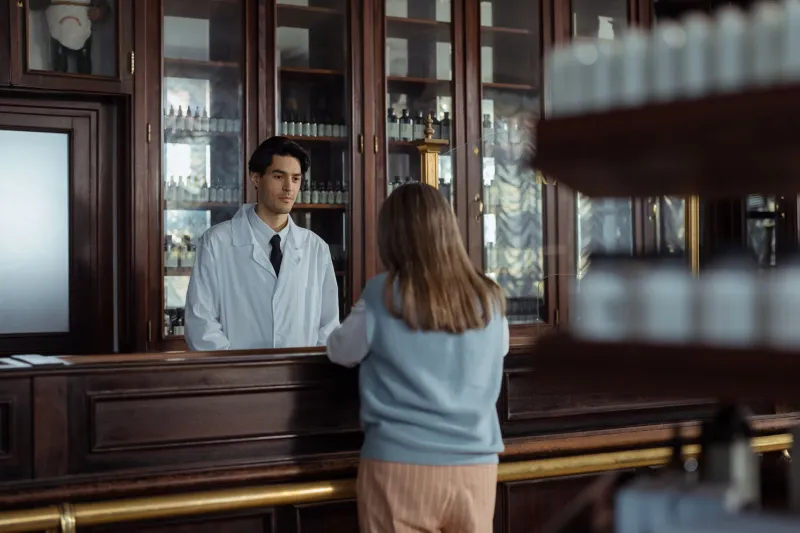
The family physician of 1970 knew three generations of your family, charged what you could afford, and treated everything from pneumonia to heartbreak. Today's medical system is infinitely more advanced but somehow feels less human.
Before fitness became a billion-dollar industry, Americans got their exercise the old-fashioned way—through daily life. Manual labor, walking everywhere, and homes without modern conveniences meant staying fit wasn't a choice, it was unavoidable.
Getting a mortgage in 1960 meant putting on your Sunday best for a formal meeting with a banker who knew your family history. Today's digital pre-approvals and instant decisions would have seemed like science fiction to homebuyers who spent weeks proving their worthiness through personal relationships.