Your Neighborhood Had Its Own Personal Shopping Network — Before We Forgot How to Answer the Door
The 6 AM Symphony
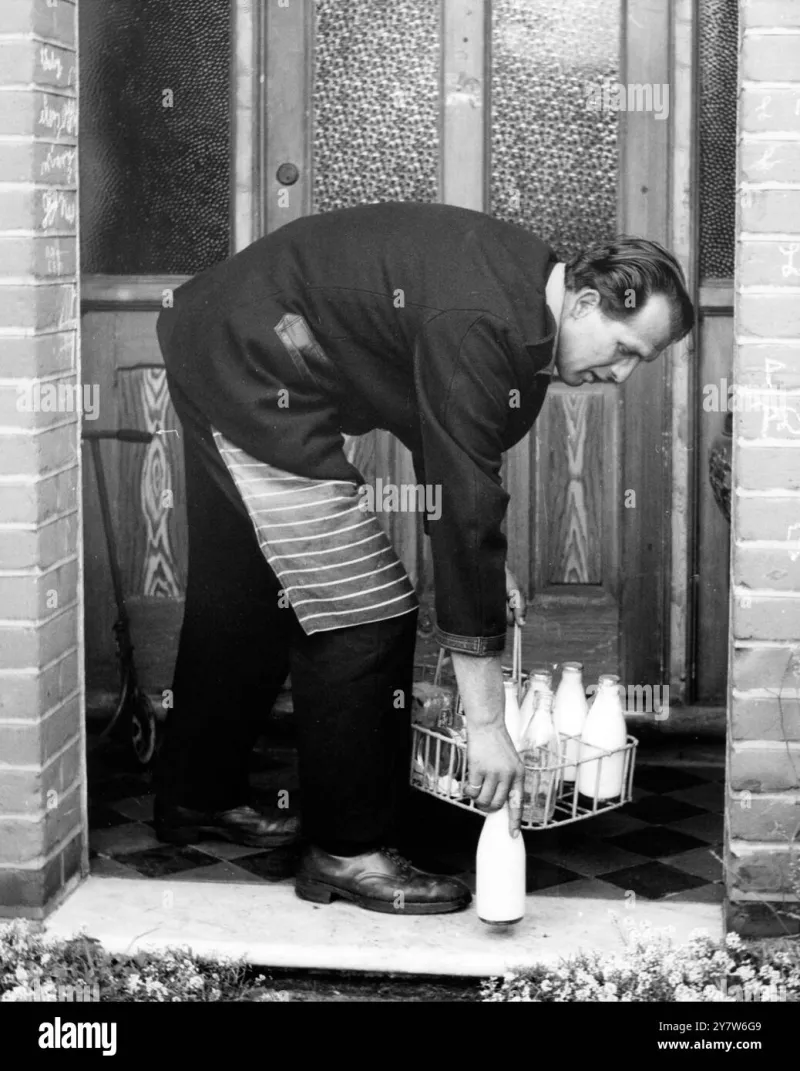
Before alarm clocks, most Americans woke up to the gentle clink of glass bottles being set on their front porch. The milkman's route was as reliable as sunrise — Monday meant fresh dairy, Tuesday brought bread from the local bakery, Wednesday was produce day. By Thursday, the iceman would arrive to refill the icebox, and Friday meant meat delivery from the neighborhood butcher.
This wasn't luxury service for the wealthy. This was how America ate.
Milkmen like Frank Kowalski in Chicago knew that Mrs. Patterson needed extra cream on Sundays for her coffee cake, that the Johnson family went through two gallons of milk a week because of their growing boys, and that old Mr. Garcia preferred his milk delivered to the side door because his arthritis made the front steps difficult.
Frank didn't need an app to track preferences — he knew his customers' lives.
The Invisible Infrastructure
By 1950, home delivery was a vast network employing millions of Americans. Every neighborhood had its cast of regular characters: the milkman, the bread man, the vegetable truck driver, the ice delivery crew. These weren't gig workers — they were career professionals with benefits, pensions, and deep community ties.
The system worked because it was built on relationships, not algorithms. Delivery schedules were negotiated face-to-face. Payment was often handled on trust — "Put it on my account, I'll settle up Friday." Route drivers knew which families were struggling financially and would quietly extend credit during tough times.
Customers left notes in empty milk bottles: "Need extra eggs this week — company coming." "On vacation until the 15th." "Baby is sick, please don't ring the bell." These weren't customer service tickets — they were neighborhood conversations.
The Great Suburban Exodus
Everything changed when America moved to the suburbs and fell in love with cars. New developments were built without the narrow alleys and service roads that delivery trucks needed. Suburban streets were designed for residents' cars, not commercial vehicles.
Supermarkets promised convenience and choice. Why wait for the milkman when you could drive to Piggly Wiggly and choose from twelve brands of milk? Why rely on the vegetable truck's selection when the grocery store had produce from around the world?
 Photo: Piggly Wiggly, via seeklogo.com
The economic argument seemed obvious: buying in bulk at supermarkets was cheaper than home delivery. What nobody calculated was the hidden cost of car ownership, gas, and time spent shopping.
By 1970, the milkman was disappearing from American life. The last major milk delivery service in most cities shut down in the 1980s, leaving behind only nostalgic memories and empty bottles in antique shops.
The Lost Art of Knowing Your Customers
What died with home delivery wasn't just convenience — it was human connection in commerce. Your milkman knew your family's rhythms better than your neighbors did. He'd notice if newspapers were piling up and check if everything was okay. He'd remember your daughter's wedding and ask about your grandson's baseball games.
This wasn't just friendly service — it was community infrastructure. Delivery drivers were informal neighborhood watchmen, checking on elderly customers, noticing suspicious activity, and serving as communication links between households.
When Mrs. Thompson's husband had his heart attack, it was the bread delivery man who found him and called for help. When the Martinez family's house caught fire, the milkman was the one who alerted neighbors and helped coordinate the response.
These relationships took years to build and couldn't be replicated by rotating through different supermarket cashiers every visit.
The Digital Resurrection
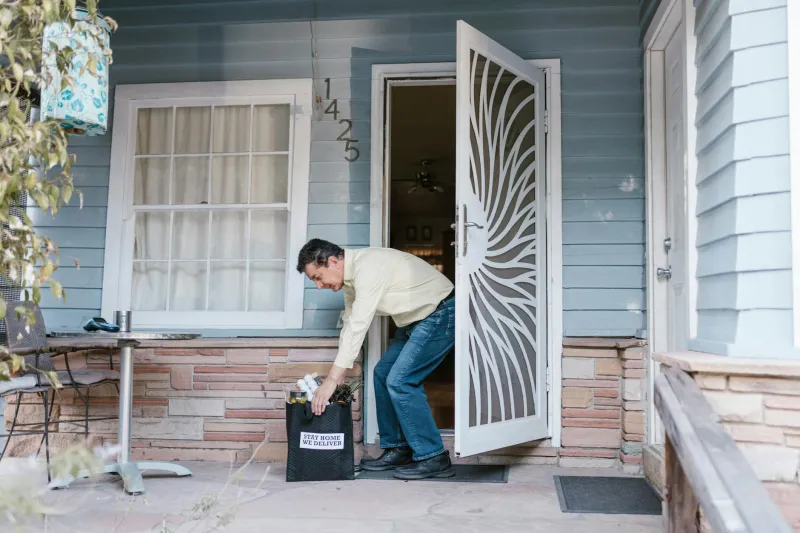
Fast-forward to 2024, and Americans are paying premium prices to rebuild exactly what they abandoned fifty years ago. Amazon Fresh delivers groceries to your doorstep. Instacart shops for your weekly essentials. DoorDash brings restaurant meals. Blue Apron ships pre-measured ingredients for home cooking.
We've recreated the entire home delivery economy, but with crucial differences. Today's delivery drivers are strangers working gig jobs without benefits. There's no relationship building, no community connection, no trusted face at your door.
Modern delivery is efficient but anonymous. Your Instacart shopper might substitute items without knowing your preferences. Your DoorDash driver drops food at the door and disappears. There are no neighborhood relationships, no extended credit during tough times, no checking on elderly customers.
The Premium on Convenience
Today's home delivery costs significantly more than the old system. Delivery fees, service charges, tips, and markup pricing mean Americans pay 20-40% more for delivered groceries than shopping in person. What used to be the affordable default option is now a luxury service.
The irony is striking: we dismantled an efficient, community-based delivery system because driving to supermarkets seemed cheaper and more convenient. Now we're paying premium prices to rebuild inferior versions of what we lost.
Modern delivery apps promise convenience but deliver complexity. Multiple platforms, surge pricing, driver shortages, and quality inconsistencies have made getting food delivered more complicated than the old system of leaving a note for the milkman.
What Technology Can't Deliver
The fundamental difference between then and now is trust versus surveillance. The old milkman system ran on human relationships and community accountability. Today's delivery economy operates through digital tracking, ratings systems, and algorithmic matching.
Your milkman knew your family for decades. Your Uber Eats driver knows your address for ten minutes. The old system built social capital; the new one extracts economic value.
We've gained speed and selection but lost reliability and relationship. You can get Thai food delivered at midnight, but you can't build the kind of trusted relationship that made the old system work.
The Circle Completes
Americans spent forty years learning to shop for themselves, driving to stores, comparing prices, and carrying groceries home. Now we're paying strangers to do exactly what our parents and grandparents took for granted.
The difference is that we've forgotten how to be customers who answer the door, know our delivery schedules, and build relationships with the people who serve our neighborhoods. We've recreated the service but lost the social infrastructure that made it work.
In our rush to modernize, we threw away a perfectly functional system and spent decades building back to the same place — except now it costs more, works less reliably, and connects us to nobody.
The milkman is back, but he doesn't know your name.