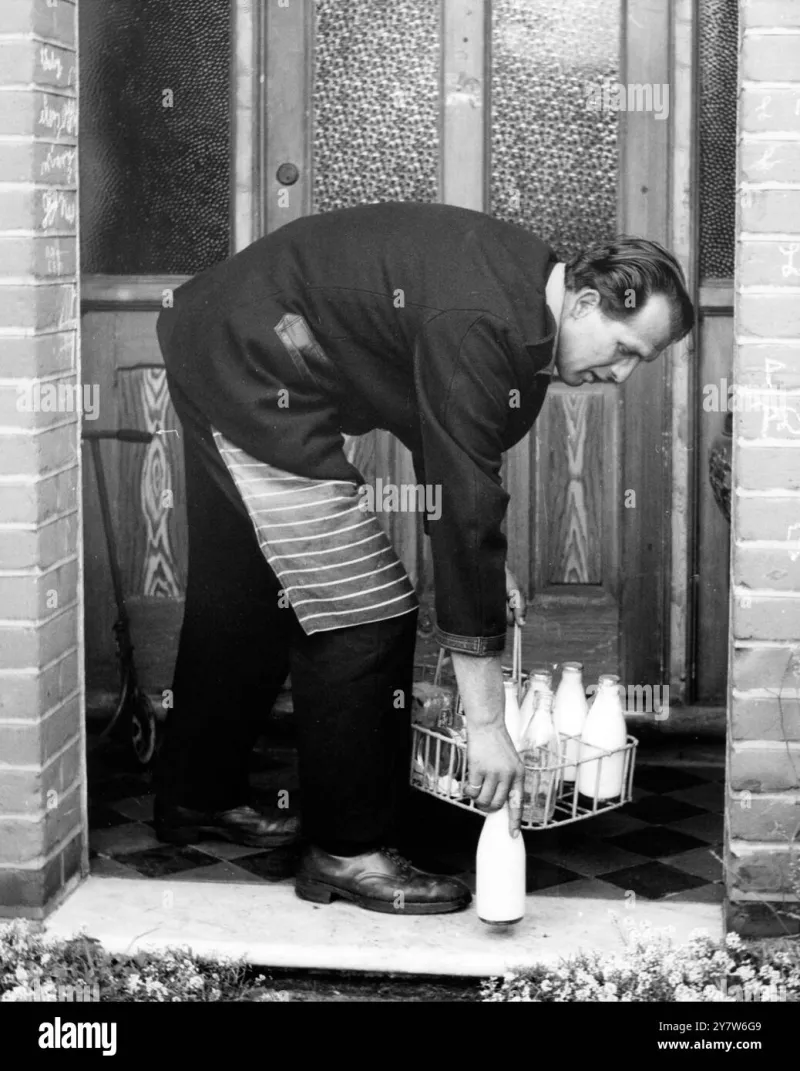
The Last Bicycle Messenger — When News Traveled at the Speed of Heartbreak

Photo by Photo by Lynnette Greenslade on Unsplash on Unsplash
The Knock That Changed Everything
Mary Henderson was hanging laundry on a Tuesday morning in October 1943 when she heard the bicycle bell. Through her kitchen window, she watched the Western Union messenger — a kid who couldn't be older than sixteen — prop his bike against her fence and walk toward her front door with the yellow envelope that would shatter her world.
She knew before he knocked. Everyone knew what a telegram meant during wartime. But between the moment she saw that bicycle and the moment she read the words "We regret to inform you," there were thirty seconds of not knowing. Thirty seconds when her son might still be alive, when her world might still be whole.
That space between seeing the messenger and learning the news — that's what we lost when information became instantaneous.
When Bad News Traveled Slowly
In 1950, if something terrible happened to your family member three states away, you might not know for hours or even days. Phone calls were expensive and often unreliable over long distances. Most families didn't have phones at all. Instead, news traveled through a deliberate chain: someone had to decide to send it, write it down, hand it to a messenger, and wait for delivery.
This wasn't inefficiency — it was a completely different relationship with information. News had weight because it was rare. A telegram arriving meant something significant had happened. A long-distance phone call meant emergency or celebration, never casual chat.
Families developed rituals around receiving news. They gathered to read letters aloud. They saved telegrams in special boxes. They treated information as precious because getting it required effort from multiple people.
The Messenger Economy
Western Union employed thousands of bicycle messengers in American cities through the 1960s. These weren't just delivery boys — they were the final link in a communication chain that stretched across continents. A message could travel by telegraph from New York to San Francisco in minutes, but that last mile from the telegraph office to your door still required human legs and a bicycle.
 Photo: New York, via www.insidehook.com
Messengers knew their routes intimately. They understood which houses meant good news (birth announcements, business deals) and which meant tragedy (military notifications, family emergencies). They developed a sixth sense about the emotional weight of their cargo based on the sender, the timing, and the address.
Some messengers remember families who would tip them extra just for bringing good news, as if they were somehow responsible for the contents of the envelope. Others recall the houses where they were never welcomed back after delivering devastating news, as if their presence had somehow caused the tragedy.
The Speed of Grief
When President Kennedy was shot in Dallas on November 22, 1963, the news reached most Americans within hours — but those hours mattered enormously. Radio and television provided the basic facts, but personal implications took time to process. Families gathered around their sets, calling relatives, trying to understand what the news meant for their own lives.
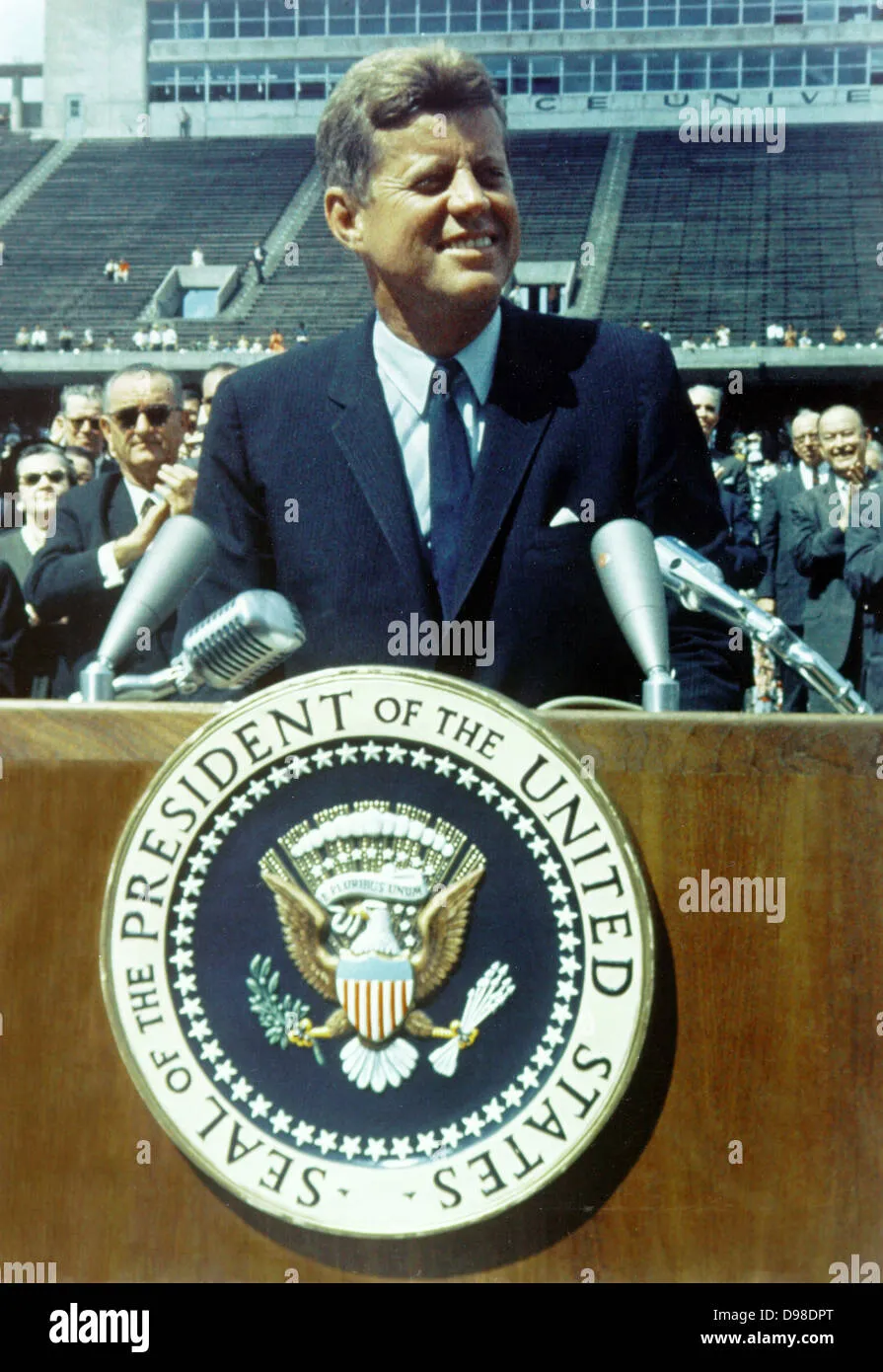 Photo: President Kennedy, via c8.alamy.com
Compare that to September 11, 2001, when millions of Americans watched the towers fall in real-time, simultaneously learning about the attack and witnessing its consequences. The compression of time between event and awareness left no space for gradual understanding, no opportunity to prepare emotionally for the magnitude of what they were seeing.
The Waiting Game
Before instant communication, waiting for news was a skill Americans had to master. Families of soldiers overseas might wait weeks between letters. Business deals hung in limbo while contracts traveled by mail. Medical test results arrived days after the anxiety had already peaked.
This forced waiting created its own rhythm of life. People planned around uncertainty. They developed patience as a survival skill. They learned to live with not knowing, because not knowing was the default state of human existence.
Families created elaborate rituals around mail delivery. Children would race to meet the mailman, hoping for letters from distant relatives. Adults would gather at general stores or post offices, turning mail pickup into social events. The arrival of news was community theater, with everyone participating in the drama of who got what.
When Everything Changed
The transformation happened gradually, then suddenly. Long-distance calling became affordable in the 1970s. Answering machines appeared in the 1980s. Cell phones spread through the 1990s. Email became universal in the 2000s. Social media made everyone a broadcaster in the 2010s.
Each innovation compressed the time between event and awareness. What once took days now took hours, then minutes, then seconds. By 2020, major news could reach millions of people faster than it took the people directly involved to understand what had happened to them.
The Paradox of Instant Everything
Today's Americans live in a constant state of potential interruption. Your phone might buzz with news that changes your life, your job, or your understanding of the world. That notification might be a family emergency or a celebrity scandal — the delivery mechanism makes no distinction.
We've gained incredible access to information but lost the ability to control when we receive it. Every moment carries the possibility of devastating news arriving without warning, without context, without time to prepare.
The old system forced people to be ready for news when it arrived, because its arrival was an event in itself. Today's system assumes we're always ready for anything, which means we're never really ready for anything.
What We Lost in Translation
The slow speed of news once provided natural processing time. Between learning that something had happened and understanding what it meant, there were hours or days to absorb, discuss, and contextualize information. Families and communities could respond collectively to major news because they learned about it together, at the same pace.
Instant news eliminates that processing time. We're expected to have opinions about events we learned about minutes ago, to respond to crises we barely understand, to make decisions based on information that's still developing.
The old telegram system was inefficient, but it was also humane. It recognized that important news deserved ceremony, that life-changing information shouldn't arrive casually, that people needed time to prepare for what they were about to learn.
The Enduring Power of Delay
Some of life's most important communications still require waiting. Medical test results, job interviews, and relationship decisions can't be rushed, no matter how fast our technology becomes. In these moments, we rediscover what our grandparents knew: that anticipation is sometimes as important as information itself.
The space between not knowing and knowing — that's where hope lives, where fear lives, where the full range of human emotion has room to exist. When we eliminated that space, we didn't just speed up communication. We fundamentally changed what it means to be human in a world full of information.