Dialing Your Grandmother Was a $20 Decision — When Every Long Distance Call Felt Like an Emergency
The Sunday Evening Phone Call Ritual
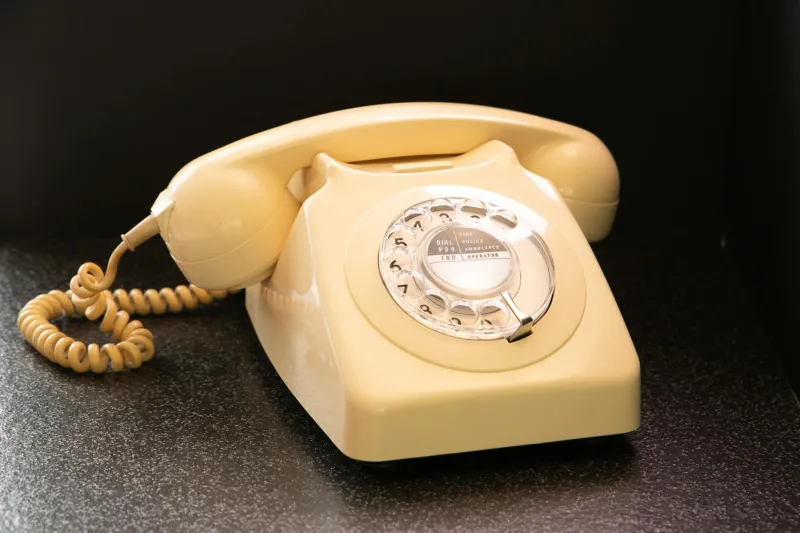
Every Sunday at 7 PM sharp, the Henderson family would gather around their avocado-green rotary phone in the kitchen. Dad would dial his mother in Cleveland, and the entire household would hold its breath as the operator connected the call. "Keep it short," Mom would whisper to the kids, "your grandmother is expensive."
This wasn't a joke. In 1970, a ten-minute long distance call from Chicago to Los Angeles cost roughly $12 — about $85 in today's money. Calling your sister in Phoenix for an hour could easily run $50, which was groceries for a week or a month's worth of gas.
When Every Word Carried Weight
Families developed an entire communication strategy around long distance rates. Conversations were scripted in advance. Important news was saved up for weeks. Children practiced what they'd say to grandparents before the phone was passed to them. "Tell Grandma about your spelling test, but make it quick."
The most heartbreaking calls were the rushed ones. "Mom, I'm pregnant!" followed immediately by "I'll write you a letter with details, this is costing a fortune." Life's biggest moments were compressed into expensive minutes, with emotional conversations cut short by the ticking financial clock.
Phone bills arrived monthly like report cards, with itemized lists of every long distance call — time, duration, and cost. Families would review them together, sometimes in shock. "Who called Uncle Frank for twenty-seven minutes?" became a household interrogation.
The Geography of Relationships
Distance meant something different when communication cost money. Moving to another state didn't just mean leaving family behind — it meant paying to stay connected. Relationships withered not from lack of love, but from the simple arithmetic of staying in touch.
Young adults who moved away for college or work often went months without speaking to parents, not from rebellion but from budget constraints. A weekly call home could cost more than a semester's worth of textbooks. Many relationships simply faded into annual Christmas cards and birthday letters.
The wealthy could afford to maintain long distance relationships; everyone else relied on the postal service. Letter writing wasn't quaint — it was economic necessity.
The Operator's World
Long distance calls required human intervention. You'd dial "0" and tell the operator, "I'd like to make a person-to-person call to Robert Williams in Denver, Colorado." The operator would connect you, verify the recipient, and start the billing clock.
Person-to-person calls cost extra but ensured you weren't paying to talk to the wrong Robert Williams. Collect calls became the teenager's lifeline — "Will you accept a collect call from... 'Mom pick me up at the mall'?" spoken quickly into the receiver before hanging up.
Operators knew the tricks. They'd heard every scheme to avoid long distance charges, from fake emergencies to coded messages hidden in collect call announcements.
The Digital Revolution Nobody Saw Coming
By the 1990s, long distance was still expensive enough to matter. College students hoarded calling cards like currency. International calls to study abroad programs cost dollars per minute, turning "How was your day?" into an unaffordable luxury.
Then, seemingly overnight, everything changed. Cell phone plans included nationwide calling. Skype made international calls free. WhatsApp eliminated distance entirely.
Today, we video chat with relatives in Australia while walking to get coffee. We pocket-dial friends across the country and don't think twice about staying on the line for hours. Distance became irrelevant so quickly that most people under 30 have never experienced the weight of an expensive phone call.
What We Lost in Translation
Modern communication is instant, unlimited, and essentially free. It's also largely ignored. We have the ability to connect with anyone, anywhere, anytime — and we've never been harder to reach.
The average person receives 121 emails per day and dozens of text messages, but answers maybe half their phone calls. We're drowning in communication while somehow staying less connected than families who could only afford to talk once a month.
When phone calls cost money, they carried weight. People listened. Conversations had purpose. There was no such thing as calling someone "just because" — every connection was intentional.
The Paradox of Abundance
Today's teenagers text constantly but avoid phone calls entirely. Parents complain they can't reach their college kids despite having unlimited calling plans. We've gained the technical ability to communicate endlessly but lost the cultural habit of treating those connections as valuable.
The Sunday evening family phone call ritual has been replaced by sporadic texts and Facebook updates. We know more about distant relatives' daily lives than ever before, but we've stopped setting aside dedicated time to actually talk to them.
In making communication free, we accidentally made it worthless. When everything costs nothing, nothing feels important. The expensive long distance call that once brought families together for ten precious minutes has been replaced by endless digital noise that somehow leaves everyone feeling more alone.
Perhaps the real cost of our communication revolution wasn't measured in dollars saved, but in the weight of words lost.