Then vs Now. The world changed more than you think.

Past Cracked

Then vs Now. The world changed more than you think.

Latest Articles

When a Lifeguard Chair Could Buy You a Diploma — The Death of the College Summer Job
Finance

When a Lifeguard Chair Could Buy You a Diploma — The Death of the College Summer Job

In 1978, three months of scooping ice cream or mowing lawns could cover an entire year at state university. Today, that same summer hustle barely pays for textbooks. Here's how the American dream of working your way through college quietly disappeared.

When Everyone's Phone Number Was Burned Into Your Brain — And You Actually Knew Who Lived Next Door
Culture

When Everyone's Phone Number Was Burned Into Your Brain — And You Actually Knew Who Lived Next Door

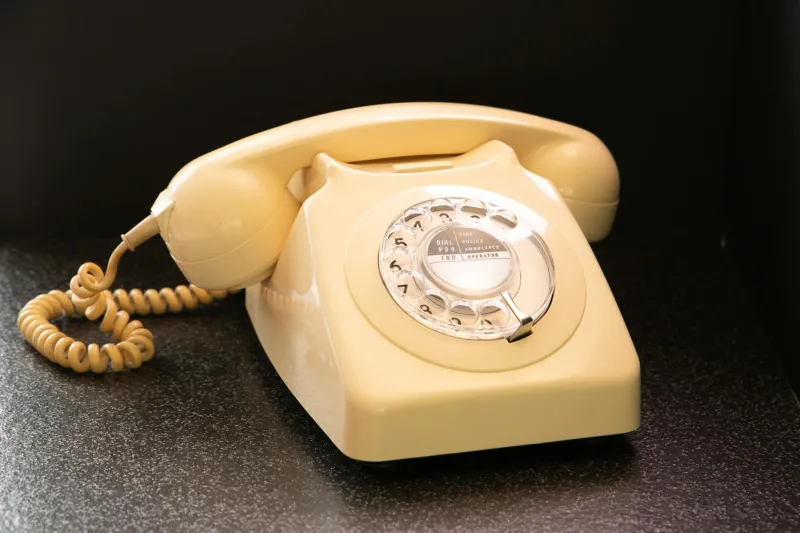
Before smartphones turned us into walking contact databases, Americans carried dozens of phone numbers in their heads and could tell you the life story of every person on their block. The shift from analog memory to digital convenience quietly rewired how we connect with each other.

When School Lunch Was Made by Mrs. Henderson in the Kitchen — Not Reheated in a Microwave
Culture

When School Lunch Was Made by Mrs. Henderson in the Kitchen — Not Reheated in a Microwave

In 1950, your school lunch cost a dime and was prepared from scratch by actual cooks who knew your name. Today's cafeteria workers mainly reheat pre-packaged meals that cost twenty times more — and somehow taste worse.

When Your Doctor Made House Calls and Actually Had Time to Listen
Culture

When Your Doctor Made House Calls and Actually Had Time to Listen

The family physician of 1970 knew three generations of your family, charged what you could afford, and treated everything from pneumonia to heartbreak. Today's medical system is infinitely more advanced but somehow feels less human.

Americans Burned 3,000 Calories a Day Without Setting Foot in a Gym
Culture

Americans Burned 3,000 Calories a Day Without Setting Foot in a Gym

Before fitness became a billion-dollar industry, Americans got their exercise the old-fashioned way—through daily life. Manual labor, walking everywhere, and homes without modern conveniences meant staying fit wasn't a choice, it was unavoidable.

When Buying a House Required Three Suits, Two References, and a Handshake Deal
Finance

When Buying a House Required Three Suits, Two References, and a Handshake Deal

Getting a mortgage in 1960 meant putting on your Sunday best for a formal meeting with a banker who knew your family history. Today's digital pre-approvals and instant decisions would have seemed like science fiction to homebuyers who spent weeks proving their worthiness through personal relationships.

Before the Supermarket, Americans Bought Dinner From Five Different Vendors — Every Single Day
Culture

Before the Supermarket, Americans Bought Dinner From Five Different Vendors — Every Single Day

Getting dinner on the table in 1920s America meant visiting the butcher, the baker, the milkman, and the produce stand — often multiple times per week because your icebox couldn't hold much. The modern supermarket didn't just change where we shop; it fundamentally rewired how we plan meals, store food, and think about abundance.

Retirement at 65 Was a Pipe Dream — Most Americans Died Before They Could Use It
Finance

Retirement at 65 Was a Pipe Dream — Most Americans Died Before They Could Use It

When Social Security launched in 1935, the retirement age of 65 was almost academic — the average American man didn't live past 60. Today, a 65-year-old can expect 20+ years of retirement. That shift from a brief golden years fantasy to a decades-long life stage has completely rewritten what retirement means.

The Operator Connected Your Call — And the Clock Started Ticking on Your Wallet
Culture

The Operator Connected Your Call — And the Clock Started Ticking on Your Wallet

Before you could call someone three states away, you had to book an appointment with an operator, wait for the connection, and pray the conversation stayed brief. Long-distance calls weren't a casual thing — they were an event that required planning, timing, and a willingness to pay what amounted to a week's groceries for a few minutes of talk.

In 1965, a Week in the Hospital Cost Less Than a Used Car. So What Exactly Happened?
Finance

In 1965, a Week in the Hospital Cost Less Than a Used Car. So What Exactly Happened?

A serious illness in 1965 could put a family back a few hundred dollars — serious money, but survivable. Today, the same diagnosis can generate bills that exceed a year's salary before insurance even enters the picture. The story of how American healthcare went from expensive-but-manageable to financially catastrophic is stranger than most people realize.

The World Was Ending at 6:30pm — And If You Missed It, You'd Find Out Tomorrow
Culture

The World Was Ending at 6:30pm — And If You Missed It, You'd Find Out Tomorrow

For most of the 20th century, Americans got their news twice a day — once in the morning paper, once on the evening broadcast. The world's events arrived on a schedule, were processed overnight, and became conversation the next day. Then cable news arrived, then the internet, then the smartphone, and the pace of information changed in ways we're still trying to understand.

Every Saturday at 7am, Millions of Kids Did the Exact Same Thing — And Then It Vanished Forever
Culture

Every Saturday at 7am, Millions of Kids Did the Exact Same Thing — And Then It Vanished Forever

For about three decades, Saturday morning television was the closest thing American childhood had to a religious experience. Kids across the country set alarms, dragged blankets to the living room floor, and watched the same shows at the same time. Then streaming arrived, and that shared ritual quietly disappeared.

One Income, One House, One Car, One College Fund — How Did Your Grandparents Actually Pull That Off?
Finance

One Income, One House, One Car, One College Fund — How Did Your Grandparents Actually Pull That Off?

In 1960, a factory worker earning a median wage could realistically buy a house, support a family, and still have money left over. Run those same numbers today and the math doesn't just get harder — it falls completely apart. Here's what actually changed, and why the gap is bigger than most people realize.

Paper Maps, Gas Station Strangers, and Absolute Confidence in the Wrong Direction — Road Trips Before GPS
Culture

Paper Maps, Gas Station Strangers, and Absolute Confidence in the Wrong Direction — Road Trips Before GPS

Before Google Maps, before Waze, before that calm voice telling you to turn left in 400 feet, Americans crossed the country armed with folded paper maps, handwritten directions, and an almost heroic willingness to be completely lost. It was chaotic, occasionally maddening, and honestly kind of wonderful.

When Flying Cross-Country Was a Two-Day Ordeal That Cost More Than Your Car
Travel

When Flying Cross-Country Was a Two-Day Ordeal That Cost More Than Your Car

In 1950, boarding a plane from New York to Los Angeles meant dressing in your Sunday best, stopping to refuel three times, and spending the equivalent of a modern mortgage payment on a ticket. Here's what that journey actually looked like — and how completely unrecognizable it is compared to today.