Past Cracked Home

Category

Culture

34 articles

The Guy at the Hardware Store Knew Your House Better Than You Did — And Then He Retired

The Guy at the Hardware Store Knew Your House Better Than You Did — And Then He Retired

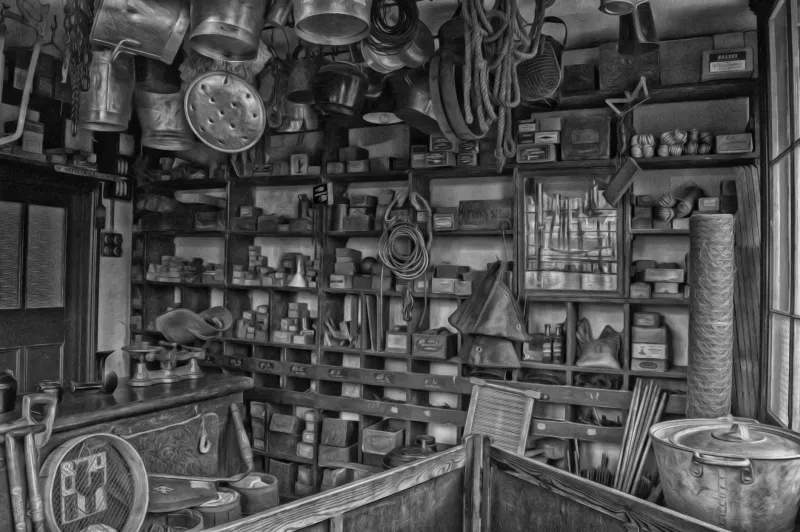
Walk into a neighborhood hardware store in 1975 and you'd walk out with the exact part you needed, a clear explanation of how to install it, and probably a recommendation for the plumber down the street if the job was beyond you. Walk into a big-box home improvement warehouse today and you're largely on your own. Something real disappeared when the local hardware store did — and a YouTube tutorial at midnight isn't quite the same replacement.

The Man Who Knew How You Liked Your Eggs — And Showed Up Anyway

The Man Who Knew How You Liked Your Eggs — And Showed Up Anyway

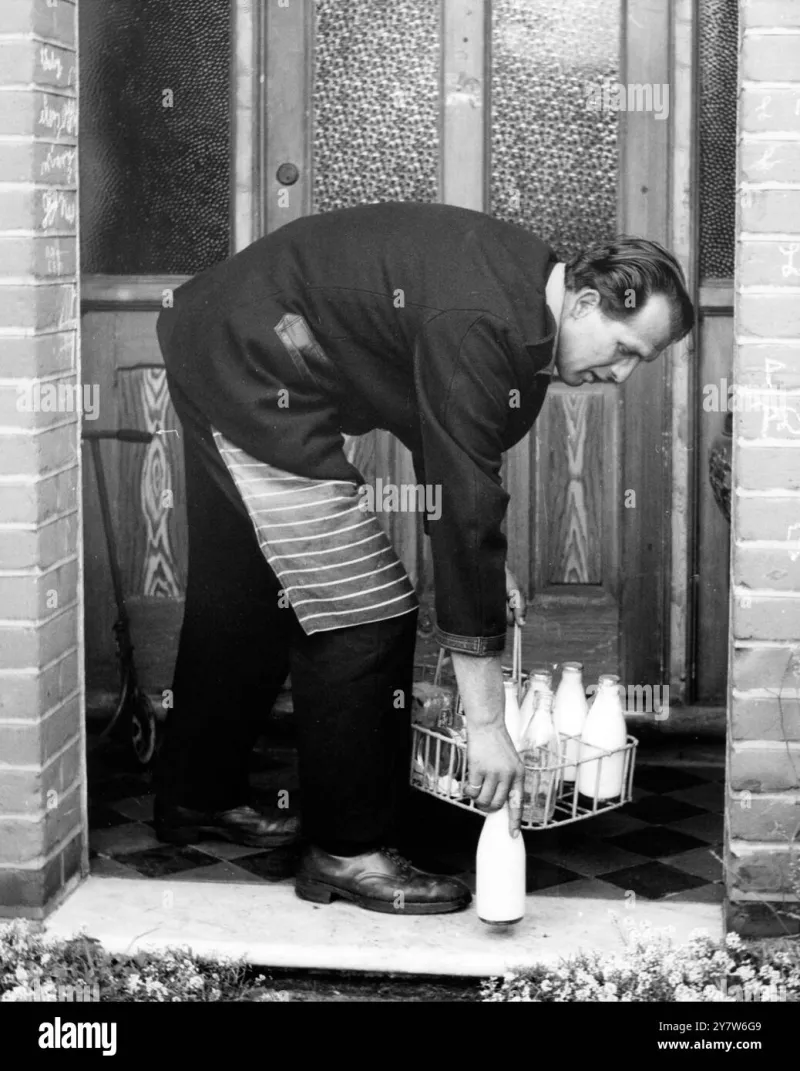
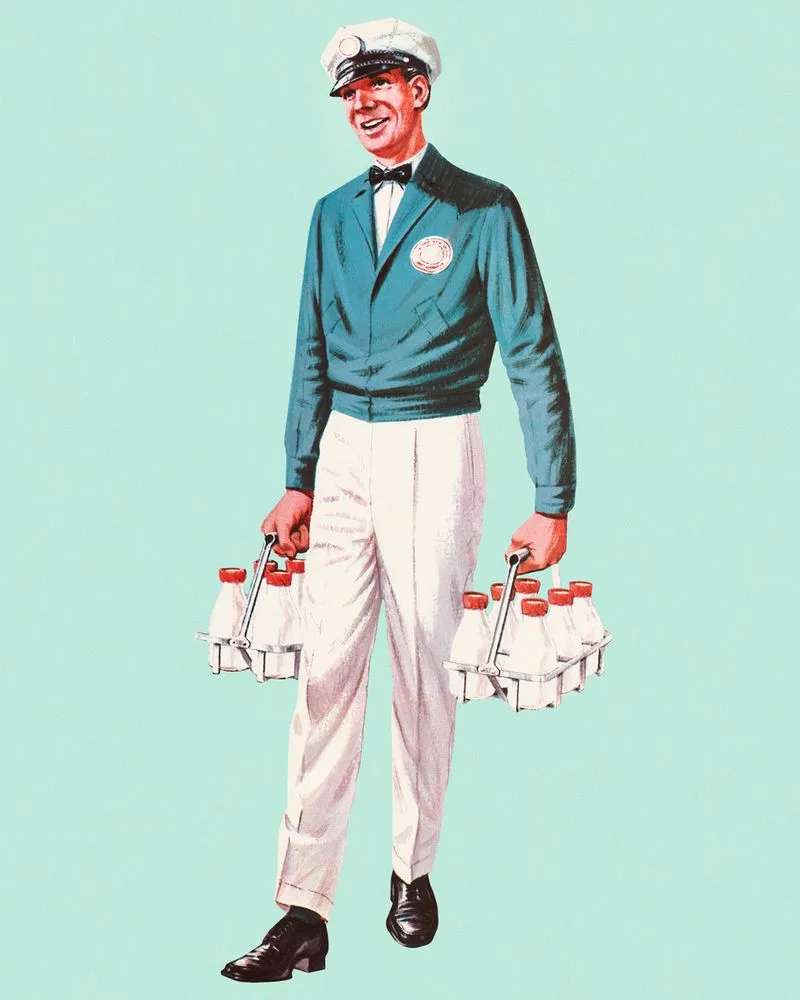
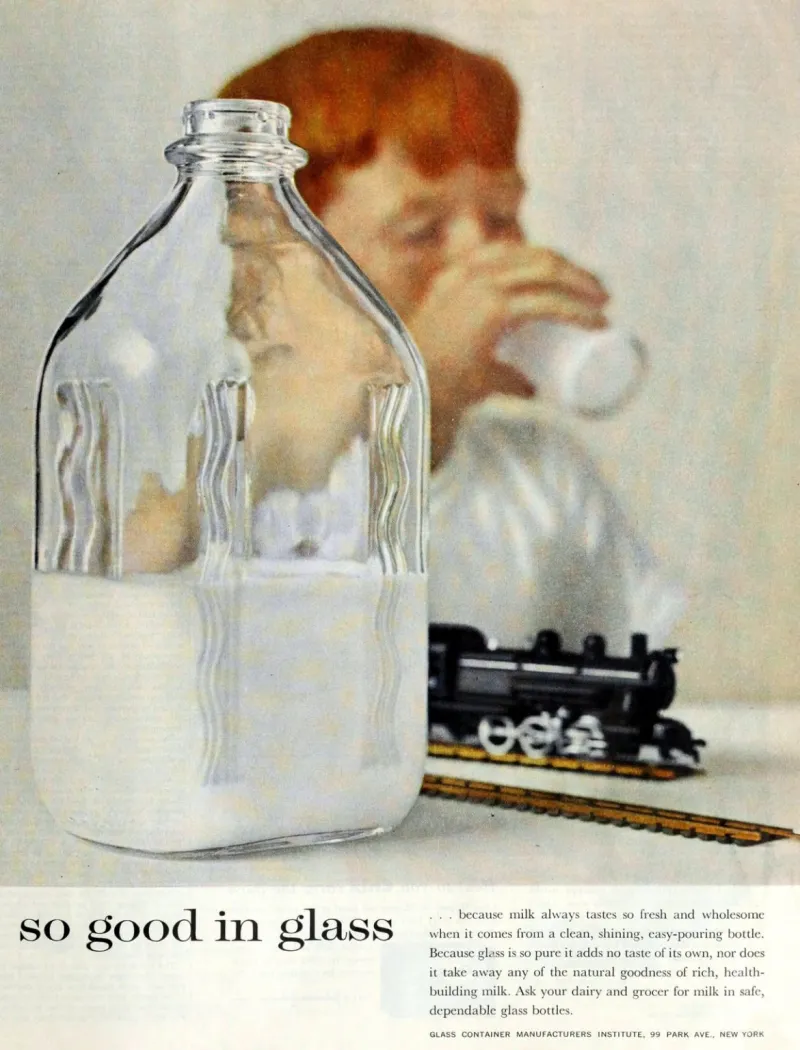
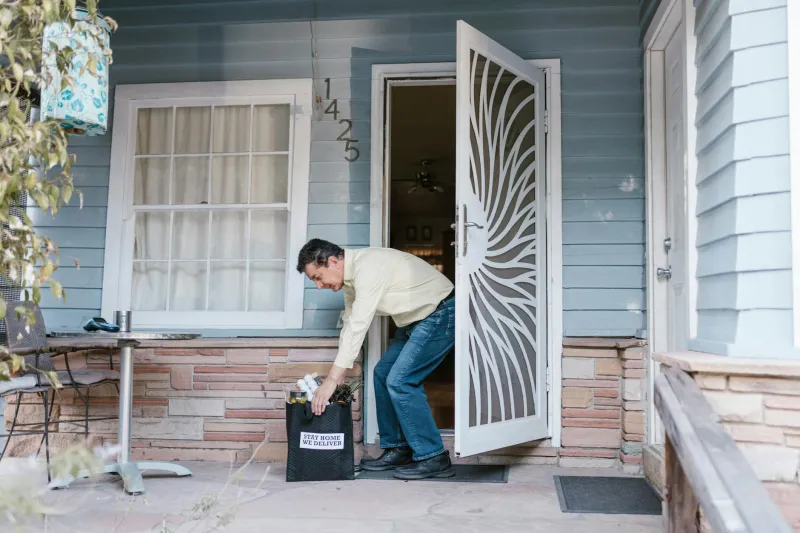
Before apps, algorithms, and anonymous warehouses, millions of American families had a standing daily relationship with a man who knew their schedule, remembered their preferences, and showed up in the dark before anyone else was awake. The milkman wasn't just delivering dairy — he was the last truly human commercial transaction America ever had.

The Man Who Knew How You Took Your Coffee Before You Even Opened the Door

The Man Who Knew How You Took Your Coffee Before You Even Opened the Door

Every morning for decades, the American milkman showed up before sunrise and knew more about your household than most of your friends did. He wasn't just delivering dairy — he was the last thread of a daily rhythm where commerce came with a human face. Then one morning, he simply stopped coming.

When Americans Owned Seven Dresses and Felt Rich

When Americans Owned Seven Dresses and Felt Rich

The average American woman in 1950 owned seven dresses. Today, she buys 68 items of clothing per year. One generation treasured quality garments for decades; the next discards fast fashion in months.

The Operator Connected Your Call — And the Clock Started Ticking on Your Wallet

The Operator Connected Your Call — And the Clock Started Ticking on Your Wallet

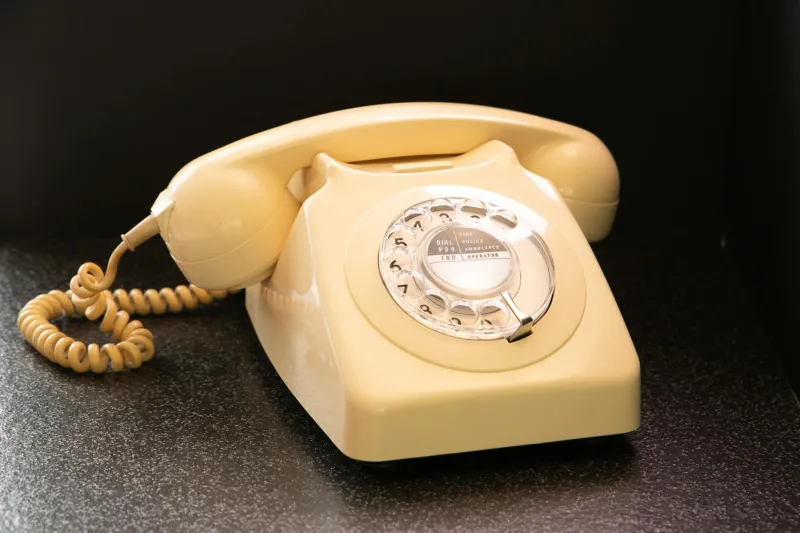
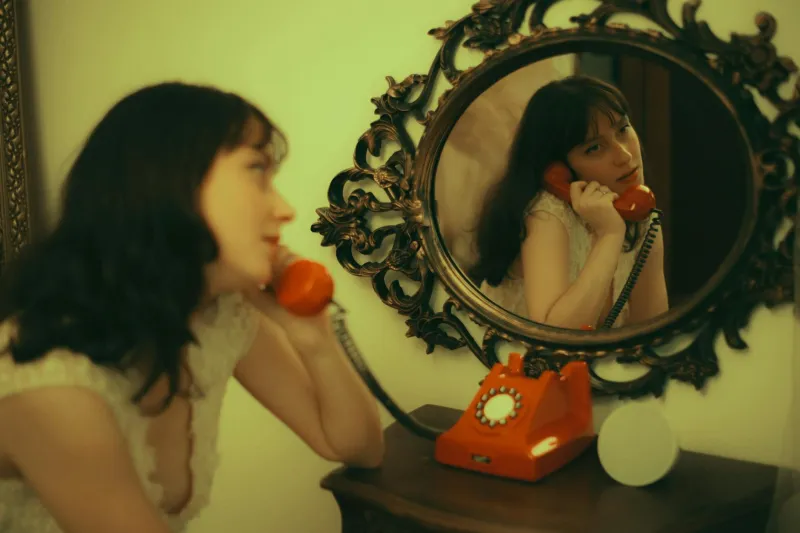
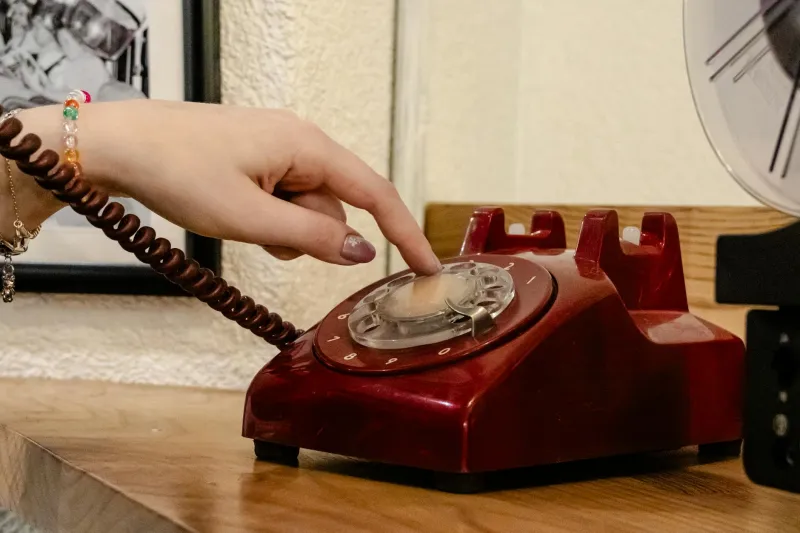
Before you could call someone three states away, you had to book an appointment with an operator, wait for the connection, and pray the conversation stayed brief. Long-distance calls weren't a casual thing — they were an event that required planning, timing, and a willingness to pay what amounted to a week's groceries for a few minutes of talk.

The World Was Ending at 6:30pm — And If You Missed It, You'd Find Out Tomorrow

The World Was Ending at 6:30pm — And If You Missed It, You'd Find Out Tomorrow

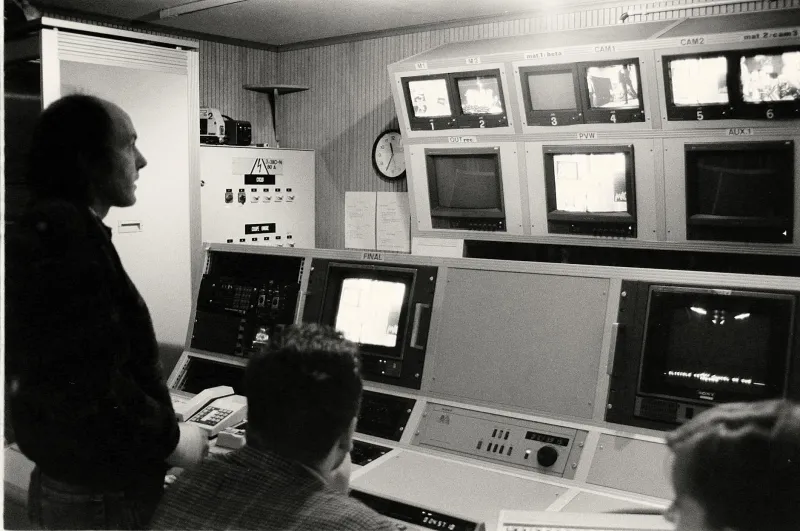
For most of the 20th century, Americans got their news twice a day — once in the morning paper, once on the evening broadcast. The world's events arrived on a schedule, were processed overnight, and became conversation the next day. Then cable news arrived, then the internet, then the smartphone, and the pace of information changed in ways we're still trying to understand.