The Summer the Whole Block Swam for Free — And Then the Gates Closed Forever
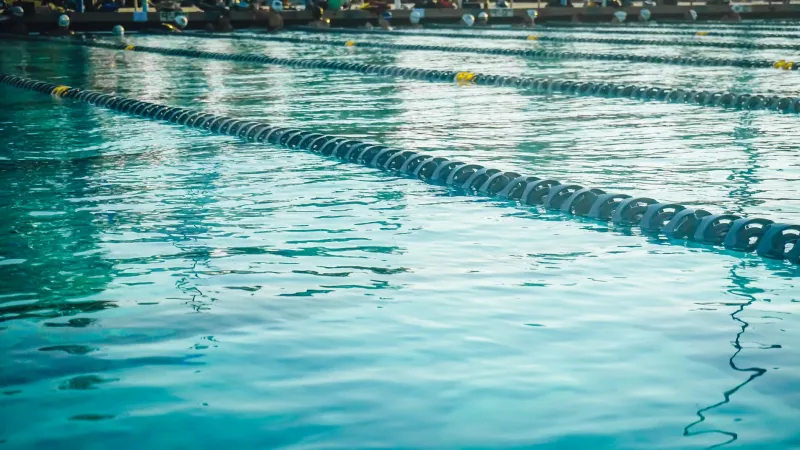
Somewhere around the middle of the last century, American cities made a quiet but remarkable promise to their residents: the summer heat belongs to everyone, and so does the water. Public swimming pools were built by the thousands — massive, gleaming, concrete monuments to the idea that civic life meant something. You didn't need a membership card. You didn't need the right zip code. You needed a towel, maybe a dime, and the willingness to wait in line with half your neighborhood.
That world is mostly gone now. And most people under 40 have no idea it ever existed.
A Dime Gets You In, The Whole Summer Gets You Out
At their peak in the postwar decades, American cities operated public pools on a scale that seems almost impossible today. New York City alone maintained dozens of massive free pools, some capable of holding thousands of swimmers at once. The McCarren Park Pool in Brooklyn, opened in 1936, could accommodate 6,800 people. Not members. Not paying guests. Just people.
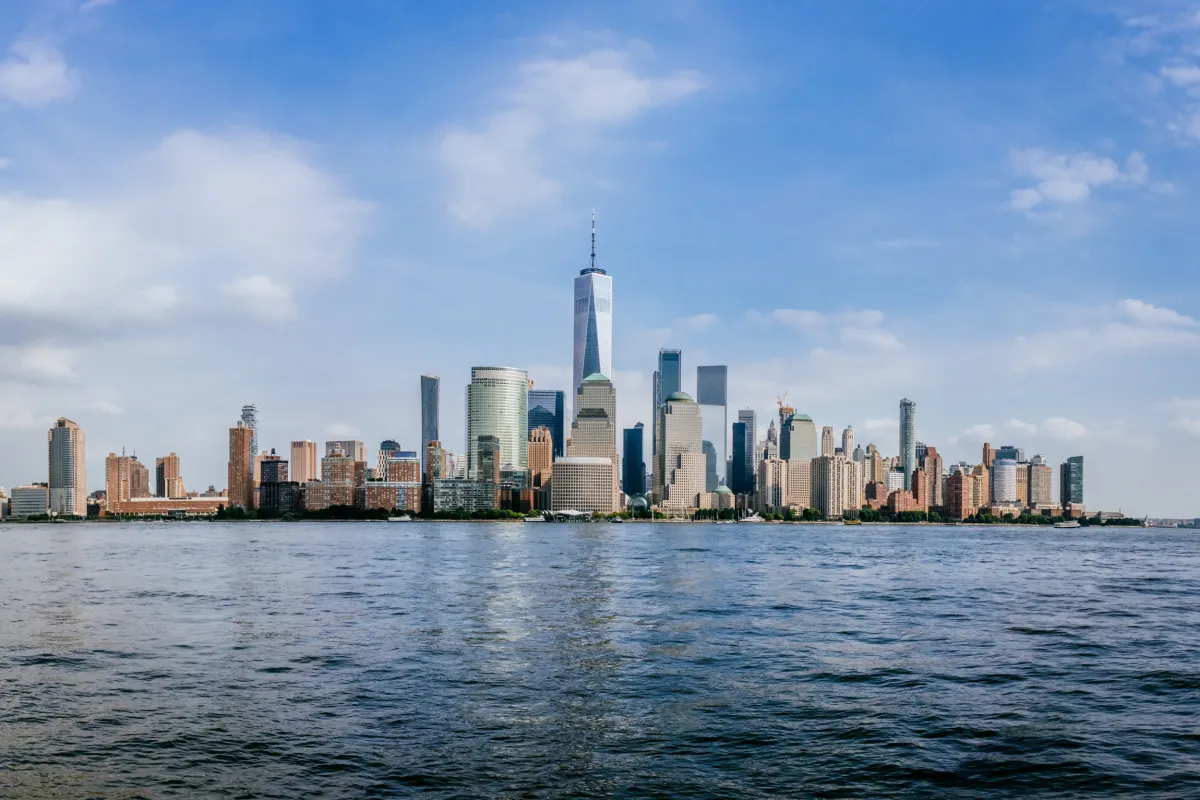 Photo: New York City, via d.newsweek.com
Across the country, the story was similar. In Pittsburgh, Cincinnati, Chicago, and hundreds of smaller cities, the municipal pool was the center of summer life. Admission was free or cost a nickel. Some pools charged a dime. The idea that a family might not be able to afford to swim on a hot day in July wasn't really part of the calculation — because the calculation was civic, not commercial.
Kids showed up at opening time and stayed until someone's mother appeared at the chain-link fence. Lifeguards were often teenagers from the same neighborhoods. The concession stand sold grape soda and orange Popsicles for a few cents. There were no wristbands, no reserved lanes, no premium upgrade tiers.
There was just water, summer, and the entire block.
What Happened to the Water
The decline of America's public pools didn't happen overnight, and it didn't happen cleanly. A few ugly threads run through the story.
Desegregation played a significant role. Many public pools in the mid-20th century were segregated by law or by practice, and when courts began ordering integration in the 1950s and 60s, a troubling number of municipalities chose to close their pools rather than share them. In some cities, this was explicit. In others, it happened through neglect — pools in newly integrated neighborhoods received less funding, less maintenance, and eventually, less future.
At the same time, the suburban migration was pulling middle-class families away from city centers. Backyard pools became a status symbol in new developments. Country clubs offered private swimming as part of the package. The people who had once used public pools — and who had political influence — no longer needed them. And political will follows where political influence goes.
By the 1970s and 80s, municipal budget crunches were closing pools across the country. The infrastructure was aging. Liability concerns were growing. Maintenance costs were rising. And the constituencies most dependent on public pools — lower-income urban families — were precisely the ones with the least lobbying power.
The pools that survived often did so by charging more. Admission fees crept up. Hours got cut. Seasons shortened. The free summer swim became a managed, monetized experience.
Swimming as a Luxury Good
Today, the contrast is stark. A family membership at a private swim club in a mid-sized American city can run anywhere from $800 to over $2,000 per season. Country club pools with proper amenities — think cushioned chairs, a snack bar with actual food, swim teams — can cost multiples of that. Meanwhile, public pools in lower-income neighborhoods face chronic underfunding, shortened hours, and frequent closures for maintenance that never quite gets fully funded.
The result is a quiet but significant stratification. American kids who grow up with pool access are largely the kids of families who can afford it. The rest make do with fire hydrants, splash pads — which are genuinely fun, but not quite the same — or nothing at all.
There's a public health dimension to this that rarely gets discussed. Drowning is the second leading cause of unintentional injury death for children between the ages of 1 and 14. Black children drown at significantly higher rates than white children, a disparity that researchers have linked directly to historical exclusion from swimming facilities and the resulting generational gap in swimming instruction. The closure of public pools didn't just take away a summer pleasure. It took away a skill.
More Than Just a Pool
But even framing this purely as a swimming-access issue misses something important. The public pool was never really about swimming. It was about what happens when a community shares a space that belongs to everyone.
You learned things at the public pool that had nothing to do with the crawl stroke. You learned how to navigate a crowd of strangers. You learned the unwritten social codes of shared space — who had been waiting longest, when to move over, how to exist alongside people who weren't exactly like you. You argued with kids from different schools and made friends you'd never have met otherwise. The lifeguard who yelled at you for running on the deck was someone you'd see at the grocery store with his mom on Saturday.
It was, in the truest sense, civic infrastructure. Not in the dry, policy-paper sense of that phrase, but in the lived, sweaty, chlorine-smelling reality of it. It was a place where the city's promise to its residents was made physical.
That's harder to put a dollar value on. Which might be exactly why we let it go.
The Crack in the Concrete
Some cities are trying to reverse course. Community organizations in Philadelphia, Baltimore, and Detroit have pushed for pool renovations and extended hours. Advocates are making the case that public pools are infrastructure in the same way roads and libraries are — things that a functioning city owes its residents regardless of income.
But the momentum of the past half-century runs the other way. The default assumption now is that recreation costs money, that amenities require membership, and that if you can't afford the fee, the splash pad is right over there.
Somewhere, though, there's a concrete deck baking in the July sun. A chain-link fence. A faded sign listing rules that nobody entirely follows. And the memory of a summer when the whole neighborhood showed up with a towel and nobody asked how much you made.
That summer existed. It was real. And it's worth asking, seriously, why we decided we couldn't afford it anymore.