A Speeding Ticket Used to Cost You Twenty Bucks — Now It Can Cost You Two Thousand
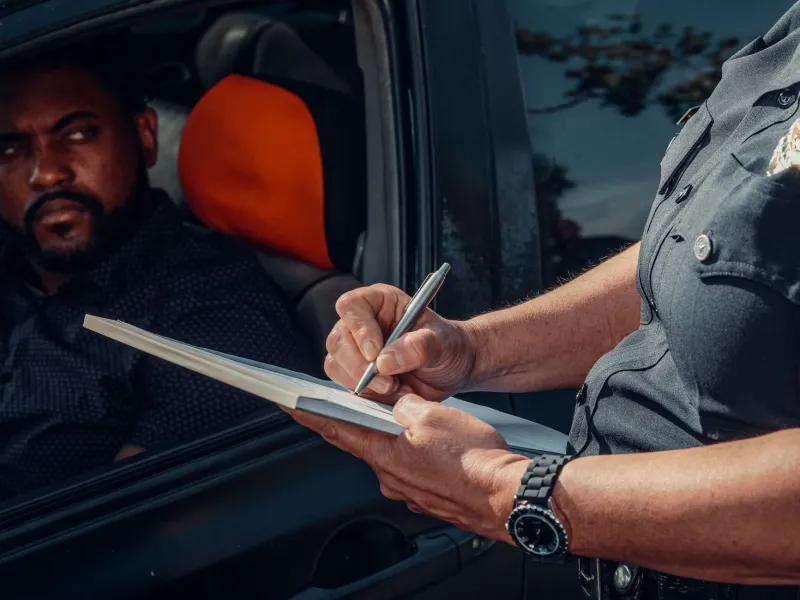
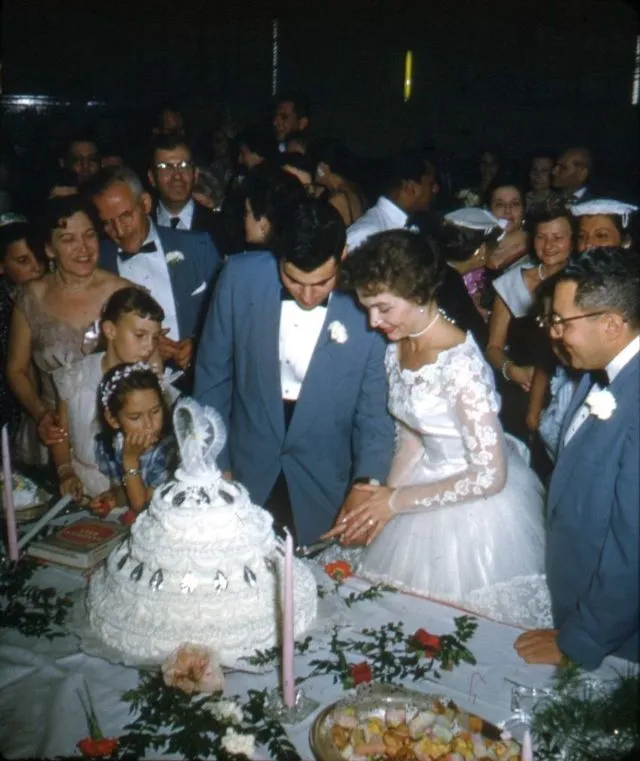
Picture this: It's 1962. You're cruising down a two-lane highway somewhere in Ohio, radio crackling with Patsy Cline, and you drift about fifteen miles over the limit. A state trooper pulls you over. He walks up to the window, looks you in the eye, writes out a ticket for $15, maybe $20, and sends you on your way. You pay it at the courthouse by Thursday. That's the end of the story.
Now picture 2024. A camera mounted on a pole photographs your license plate doing 47 in a 35. Three weeks later, an envelope arrives in the mail. The fine is $150. But that's just the opening act.
When a Ticket Was Just a Ticket
For most of the mid-20th century, traffic enforcement in America was genuinely simple. Fines were small — often just a few dollars in the 1940s and 1950s, rising gradually through the 1960s and 70s. They were paid directly, often in cash, and the whole thing was treated roughly the same way you'd treat a parking meter violation. Annoying, sure. But not life-altering.
More importantly, the transaction was human. A real officer made a judgment call. If you were driving through town on your way to a funeral, he might let you off with a warning. If you were a repeat offender, he might write it up more formally. There was discretion built into the system — because the system was built around people, not revenue targets.
License point systems did begin to emerge in the 1940s, but enforcement was patchy and consequences were mild by today's standards. Insurance companies largely stayed out of the equation. A ticket was between you, the officer, and the local court. Full stop.
The Architecture of the Modern Traffic Fine
Somewhere between the 1980s and today, the traffic ticket quietly evolved into something else entirely. What used to be a single fine became a layered financial event — and understanding all the layers is half the battle.
Start with the base fine. In most states, going 15 mph over the limit will run you anywhere from $150 to $300 before anything else gets added. Then come the "assessments" — which is government-speak for additional fees tacked on top of the base fine. California, for example, has a penalty assessment system so complex that a $100 base fine can balloon to over $490 once all the surcharges, court construction fees, and DNA identification fund contributions are added. Yes, that last one is real.
Then there's the point system. Most states assign demerit points to your license for moving violations. Accumulate enough and your license gets suspended. Lose your license and you lose your ability to get to work. The math on that gets dark fast.
But the biggest long-term cost? Your insurance premium. A single speeding conviction can raise your car insurance rate by 20 to 30 percent — sometimes more. The average American pays around $1,700 a year for auto insurance. A 25 percent increase on that is $425 extra per year. Most insurers hold violations against you for three to five years. Do that math and a ticket that appeared to cost $200 actually cost you over $2,000 when all is said and done.
The Camera Changed Everything
Automated enforcement — speed cameras, red light cameras, school zone cameras — removed the last human element from the equation. There's no officer making a judgment call. No opportunity to explain that your speedometer is slightly off, or that you were merging to avoid a collision. A computer clocked you, a computer generated the ticket, and a computer will process your payment.
By 2023, speed cameras operated in more than a dozen states, with cities like Chicago and New York generating hundreds of millions of dollars annually from automated ticketing programs. Critics — including some city council members who voted for these systems — have pointed out that the cameras are disproportionately placed in lower-income neighborhoods, where residents can least afford the fines. Whether that's intentional or incidental depends on who you ask. But the revenue correlation is hard to ignore.
Red light camera programs have faced particular scrutiny. Several cities have been caught shortening yellow light intervals to increase violations — a practice so obviously predatory that it's been banned in some states after public outcry. The fine, in those cases, wasn't about safety at all. It was about the check.
What Actually Changed — And Why
The shift didn't happen by accident. State and local governments, facing budget shortfalls throughout the 1970s and 80s, began looking at traffic enforcement as a revenue source rather than purely a safety measure. Fine schedules were quietly revised upward. Fee structures multiplied. Insurance companies — realizing they could charge more for drivers with violations — lobbied for tighter point-sharing agreements with state DMVs.
The result is a system that, on paper, is still about road safety. In practice, it functions as a tax on driving — one that falls hardest on people who can't afford a traffic attorney, can't take a day off work to attend defensive driving school, and can't absorb a sudden insurance spike.
Your grandfather got a $20 ticket and went home for dinner. You get a $200 fine, three points on your license, a court fee, a processing fee, a "traffic safety fund" surcharge, and a letter from your insurance company six weeks later.
The Road Ahead
None of this means traffic laws shouldn't exist. Reckless driving kills people, and enforcement has a legitimate role to play. But there's a real difference between enforcement designed to change behavior and enforcement designed to generate income — and over the past fifty years, America has drifted steadily toward the latter.
The next time you see a speed camera on a highway, it's worth asking: is that there to make the road safer, or to make the budget balance? The answer, increasingly, seems to be both. And you're the one paying for it either way.