Then vs Now. The world changed more than you think.

Past Cracked

Then vs Now. The world changed more than you think.

Latest Articles

The Operator Connected Your Call — And the Clock Started Ticking on Your Wallet
Culture

The Operator Connected Your Call — And the Clock Started Ticking on Your Wallet

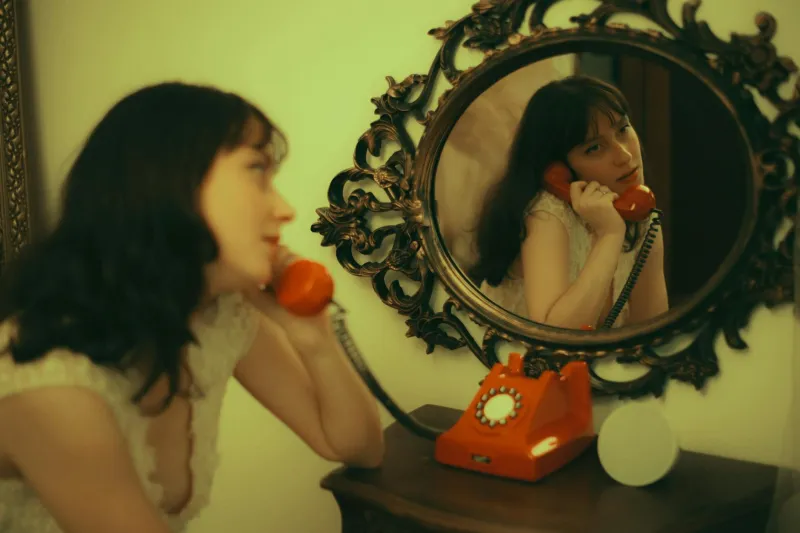
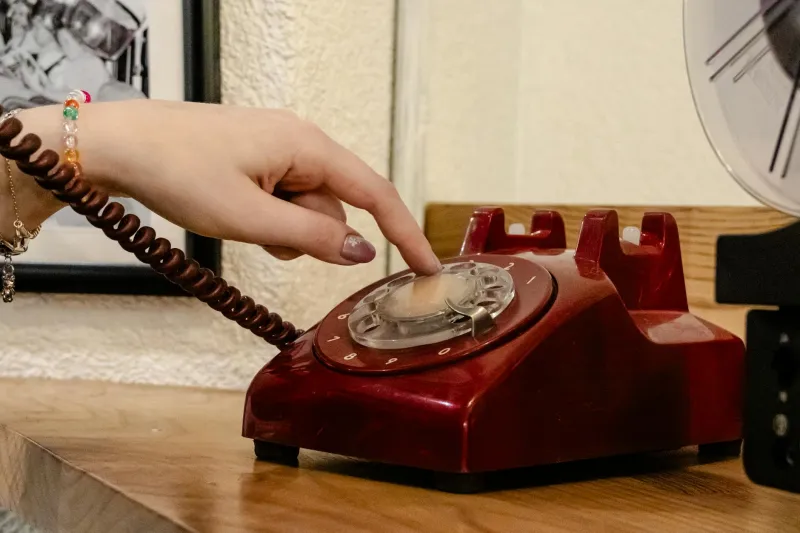
Before you could call someone three states away, you had to book an appointment with an operator, wait for the connection, and pray the conversation stayed brief. Long-distance calls weren't a casual thing — they were an event that required planning, timing, and a willingness to pay what amounted to a week's groceries for a few minutes of talk.

In 1965, a Week in the Hospital Cost Less Than a Used Car. So What Exactly Happened?
Finance

In 1965, a Week in the Hospital Cost Less Than a Used Car. So What Exactly Happened?

A serious illness in 1965 could put a family back a few hundred dollars — serious money, but survivable. Today, the same diagnosis can generate bills that exceed a year's salary before insurance even enters the picture. The story of how American healthcare went from expensive-but-manageable to financially catastrophic is stranger than most people realize.

The World Was Ending at 6:30pm — And If You Missed It, You'd Find Out Tomorrow
Culture

The World Was Ending at 6:30pm — And If You Missed It, You'd Find Out Tomorrow

For most of the 20th century, Americans got their news twice a day — once in the morning paper, once on the evening broadcast. The world's events arrived on a schedule, were processed overnight, and became conversation the next day. Then cable news arrived, then the internet, then the smartphone, and the pace of information changed in ways we're still trying to understand.

Every Saturday at 7am, Millions of Kids Did the Exact Same Thing — And Then It Vanished Forever
Culture

Every Saturday at 7am, Millions of Kids Did the Exact Same Thing — And Then It Vanished Forever

For about three decades, Saturday morning television was the closest thing American childhood had to a religious experience. Kids across the country set alarms, dragged blankets to the living room floor, and watched the same shows at the same time. Then streaming arrived, and that shared ritual quietly disappeared.

One Income, One House, One Car, One College Fund — How Did Your Grandparents Actually Pull That Off?
Finance

One Income, One House, One Car, One College Fund — How Did Your Grandparents Actually Pull That Off?

In 1960, a factory worker earning a median wage could realistically buy a house, support a family, and still have money left over. Run those same numbers today and the math doesn't just get harder — it falls completely apart. Here's what actually changed, and why the gap is bigger than most people realize.

Paper Maps, Gas Station Strangers, and Absolute Confidence in the Wrong Direction — Road Trips Before GPS
Culture

Paper Maps, Gas Station Strangers, and Absolute Confidence in the Wrong Direction — Road Trips Before GPS

Before Google Maps, before Waze, before that calm voice telling you to turn left in 400 feet, Americans crossed the country armed with folded paper maps, handwritten directions, and an almost heroic willingness to be completely lost. It was chaotic, occasionally maddening, and honestly kind of wonderful.

When Flying Cross-Country Was a Two-Day Ordeal That Cost More Than Your Car
Travel

When Flying Cross-Country Was a Two-Day Ordeal That Cost More Than Your Car

In 1950, boarding a plane from New York to Los Angeles meant dressing in your Sunday best, stopping to refuel three times, and spending the equivalent of a modern mortgage payment on a ticket. Here's what that journey actually looked like — and how completely unrecognizable it is compared to today.