The Family Dentist Knew Your Name, Your Kids, and Your Budget — Now He's a Corporation With a Waiting Room
The Family Dentist Knew Your Name, Your Kids, and Your Budget — Now He's a Corporation With a Waiting Room
For most of the twentieth century, the scariest thing about going to the dentist was the drill. Not the invoice. Not the insurance pre-authorization. Not the upsell for a whitening treatment you didn't ask about. Just the drill — and even that was manageable, because Dr. Kowalski down on Elm Street had been filling your cavities since you were seven years old and he wasn't about to let a little thing like money get between you and a healthy mouth.
That world is gone. And the way it disappeared — quietly, gradually, without anyone really voting for it — is one of the more revealing stories about what happens when healthcare stops being a relationship and becomes a transaction.
What the Dentist's Office Actually Used to Feel Like
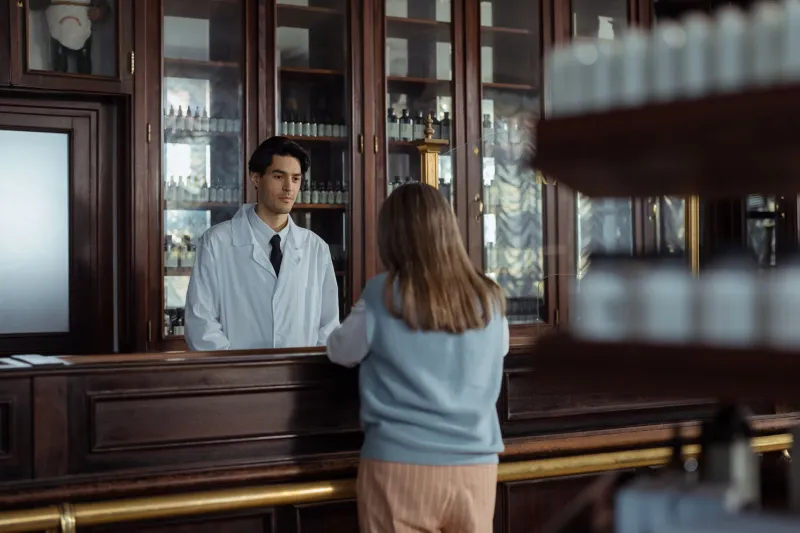
In the 1950s and 60s, most American towns had a dentist who operated out of a small office, often above a pharmacy or next to a barbershop. He — and it was almost always a he, for better or worse — typically worked alone or with one assistant. He knew your family. He remembered that your oldest was afraid of needles and that your youngest had a sweet tooth that kept him in business.
The costs reflected that intimacy. A basic filling in 1955 ran somewhere between $2 and $5. Even adjusting for inflation, that's roughly $20 to $45 in today's money. A full extraction might set you back $10. Dentures, the nuclear option, could cost a few hundred dollars — serious money, but not life-altering. And if you were short that month, a lot of dentists simply worked it out with you. Pay me when you can. Bring me a pie if that's what you've got. The profession hadn't yet been taught to view every patient as a revenue event.
There was also something else at work: dentists were embedded in communities in ways that made price-gouging feel genuinely shameful. When you see your patients at church, at the diner, at Little League games — you can't treat them like line items on a spreadsheet. The social fabric kept things honest.
The Slow Corporate Takeover Nobody Announced
The shift didn't happen overnight. Through the 1970s and 80s, dental costs began creeping upward as equipment modernized, insurance became more complicated, and the profession grew more specialized. That was mostly fine — better tools meant better outcomes, and most people could still afford a checkup without breaking a sweat.
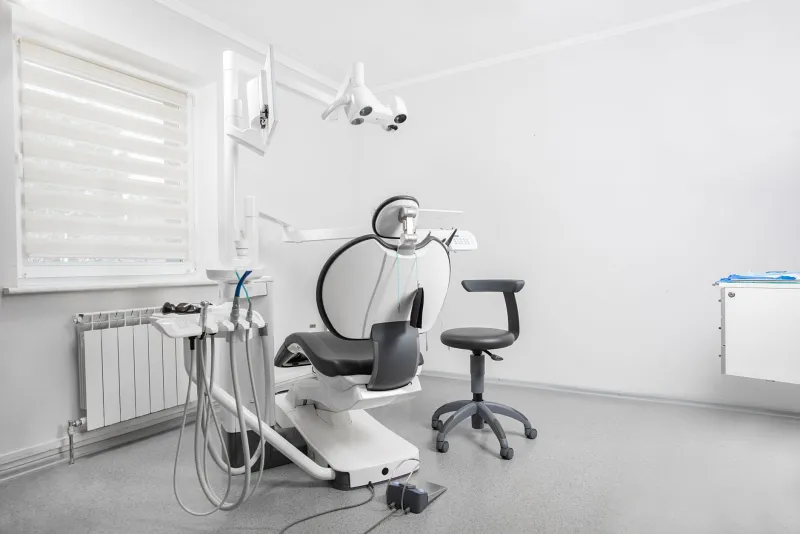
But then came the 1990s and 2000s, and with them, the rise of Dental Service Organizations — corporate entities that buy up private practices, standardize procedures, and run dental offices the way a franchise runs a burger chain. Today, companies like Aspen Dental, Heartland Dental, and Pacific Dental Services operate thousands of locations across the country. They're not bad at cleaning teeth. But they're optimized for profit in ways that your old family dentist simply wasn't.
The results are visible in the numbers. The average cost of a single tooth extraction today runs between $150 and $300 for a simple pull — and can climb past $600 for anything complicated. A root canal? Budget $700 to $1,500. A crown? Easily $1,000 to $1,800 per tooth. And if you don't have dental insurance — which roughly 74 million Americans don't, according to the American Dental Association — you're paying every cent of that out of pocket.
For context: the average American worker earning a median wage would need to work nearly two full days just to cover a single crown. Your grandfather paid for the same procedure with what he made in an afternoon.
The Part Nobody Wants to Say Out Loud
Here's the uncomfortable truth that sits underneath all of this: Americans are pulling their own teeth.
Not as a metaphor. Literally. A 2020 survey published in the journal JAMA Network Open found that more than one in four low-income Americans reported pulling, breaking, or filing down a tooth themselves because they couldn't access or afford professional dental care. Hardware store pliers. YouTube tutorials. Whiskey and willpower.
This is not a developing-world story. This is happening in Ohio, in Louisiana, in rural Pennsylvania, in the suburbs of cities with gleaming dental office towers visible from the highway.
The United States has also largely separated dental coverage from general health insurance, a quirk of history that most other wealthy countries find baffling. Medicare, the federal program covering 65 million older Americans, didn't include routine dental benefits until 2023 — and even now the coverage is limited. For decades, seniors were left to choose between their teeth and their groceries.
What We Actually Lost
It's tempting to frame this purely as a cost story, but it's really a story about what happens when a community institution becomes an industry. The family dentist wasn't just affordable — he was a point of continuity in a neighborhood. He caught things early because he saw you every year. He knew your medical history without needing to scroll through a digital intake form. He didn't recommend a $4,000 set of veneers because he knew you couldn't afford them and, honestly, you didn't need them.
The corporate dental model isn't evil. But it is indifferent. And indifference, at scale, has consequences that show up in the mouths of people who can't afford to complain about it.
Somewhere along the way, we decided that dental care was a luxury — something you optimized for, shopped around for, or quietly went without. Dr. Kowalski on Elm Street would have found that idea completely baffling. And he probably would have found a way to help you anyway.