The Pharmacist Used to Be the First Doctor You Called — Now He's Too Busy Counting Pills to Say Hello
The Pharmacist Used to Be the First Doctor You Called — Now He's Too Busy Counting Pills to Say Hello
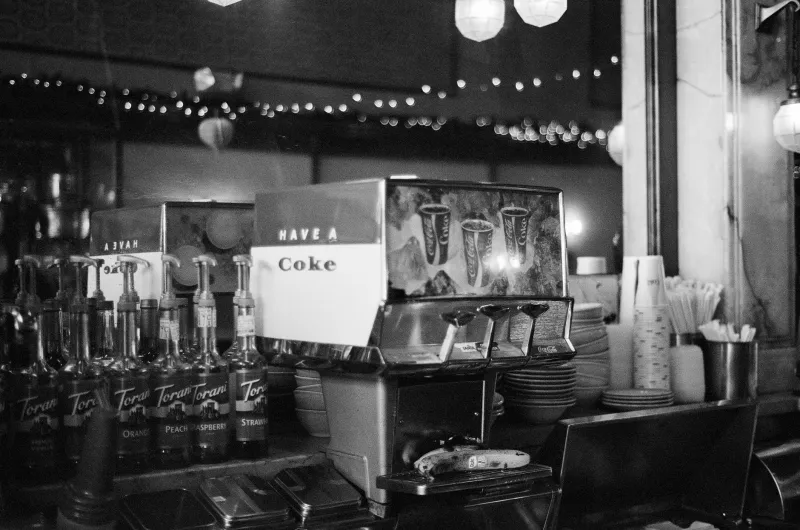
Before the era of urgent care clinics, telehealth apps, and insurance pre-authorizations, there was a simpler first line of medical defense in most American towns. It had a lunch counter up front, a soda fountain that smelled like vanilla and coffee, and a man in a white coat in the back who had probably known your family for twenty years.
The corner drugstore wasn't just a place to pick up prescriptions. It was a front-line healthcare institution that most people never thought to call one — because it didn't feel like healthcare. It felt like home.
The Pharmacist as Community Physician
In the mid-twentieth century, the independent neighborhood pharmacist occupied a role that doesn't have a clean modern equivalent. He — and it was usually a he, though that changed over time — was accessible in a way that doctors often weren't. No appointment required. No copay for a conversation. You walked in, described your symptoms, and got an honest, informed opinion about whether you needed to see a doctor or whether a week of rest and the right over-the-counter remedy would sort things out.
More importantly, he knew you. He knew your kids, your parents, your chronic conditions, and what medications you were already taking. Long before electronic health records existed, the neighborhood pharmacist was the human equivalent — a walking repository of your family's pharmaceutical history. That context made his advice genuinely valuable in ways that a pharmacist scanning barcodes for eight hours at a CVS simply cannot replicate.
And the prescriptions themselves? A course of antibiotics in the 1950s or 1960s might cost a dollar or two. Even through the 1970s and into the 1980s, most prescriptions were affordable without insurance. The pharmacist wasn't a gatekeeper to medications your wallet couldn't unlock. He was just a neighbor helping you get better.
The Lunch Counter Was the Point
It's easy to dismiss the soda fountain as a charming historical footnote — a quirky detail from a slower era. But the lunch counter at the back of the drugstore served a function that was more important than it looked.
It made the pharmacy a place people visited by choice, not just by necessity. You didn't go to the drugstore only when you were sick. You went because your friends met there after school, because the coffee was good, because the pharmacist's wife made a tuna melt that nobody in town could match. That foot traffic created ongoing relationships. The pharmacist saw you when you were healthy, which made him far better at recognizing when something was wrong.
The lunch counter also made the pharmacy a community hub in a way that no chain store has ever successfully manufactured. It was a third place — not home, not work, but somewhere that belonged to the neighborhood in a genuine and irreplaceable way.
What the Chains Optimized For
The consolidation of American pharmacy happened gradually and then very suddenly. Independent drugstores — there were once tens of thousands across the country — began disappearing through the 1980s and 1990s as Walgreens, CVS, and Rite Aid expanded aggressively. Today, three chains control an enormous share of the retail pharmacy market in the United States, and the independent drugstore has become a genuine rarity.
What the chains optimized for was volume and efficiency. A modern chain pharmacist fills hundreds of prescriptions per shift, manages automated dispensing systems, handles insurance billing disputes, and fields phone calls from patients who've been on hold for twenty minutes. The expectation of a thoughtful five-minute conversation about your health is not built into that workflow. It's not that chain pharmacists are less knowledgeable — many are exceptionally well-trained — it's that the system around them was designed for throughput, not consultation.
And the prices. The prices are a story all their own. A medication that cost a few dollars in 1970 — adjusted for inflation, perhaps $20 to $30 in today's money — may now cost hundreds or even thousands of dollars per month without insurance. With insurance, the copay structure is often opaque enough that patients genuinely don't know what they'll pay until they're standing at the counter. The pharmacist, in many cases, is not authorized to discuss pricing alternatives. That conversation has been routed through a benefits coordinator at your insurance company who you'll never meet.
The Hidden Cost of Losing That Counter
When the corner drugstore closed — and most of them did close, one by one, across three or four decades — the community lost something that wasn't easy to quantify at the time. It lost an accessible, affordable, relationship-based point of healthcare contact that caught problems early, answered questions honestly, and didn't require a copay or a prior authorization.
Studies on healthcare access consistently show that people with a trusted primary care relationship have better health outcomes. The neighborhood pharmacist was, for millions of Americans, the closest thing to that relationship that many families ever had. It was informal, unregulated, and completely irreplaceable.
Now you can order your prescriptions through an app and have them delivered in two days. The pharmacist's name is somewhere on the label, if you look closely enough. But you'll never meet him, and he has no idea who you are.
The vanilla smell is gone too.