When a Postage Stamp Could Get You a Pound of Butter — How the American Grocery Bill Quietly Ate Your Paycheck
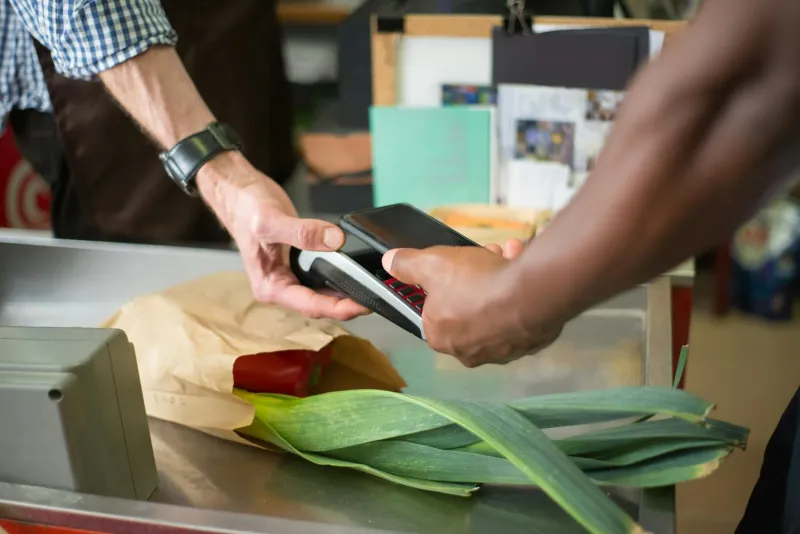
The Receipt That Would Make Your Grandfather Laugh
Picture this: It's 1952, and your grandfather walks into the local A&P with a crisp five-dollar bill. He emerges with enough groceries to feed a family of four for three days. Fast forward to today, and that same five bucks might cover a single fancy coffee and a protein bar.
But here's the kicker — we're not just talking about inflation. We're talking about something far more insidious: how food quietly became the budget-buster that nobody saw coming.
When Butter Cost Less Than a Stamp
In 1950, a first-class postage stamp cost 3 cents. A pound of butter? Also 3 cents. A quart of milk ran you 17 cents, while a loaf of bread set you back 14 cents. The average factory worker earning $3,200 a year could buy 106,000 loaves of bread with his annual salary.
Today's median worker, pulling in around $50,000, can afford roughly 25,000 loaves of bread at current prices. That's a 75% drop in bread-buying power, despite the fact that modern farming produces wheat more efficiently than ever before in human history.
The Hidden Math of the Modern Checkout
Let's break this down with some grocery cart reality. In 1950, filling a typical family shopping list — milk, bread, eggs, butter, coffee, sugar, and a few pounds of meat — consumed about 3% of the average worker's weekly paycheck. The same cart today? Nearly 12% of the median weekly wage.
That seemingly small shift represents a seismic change in how Americans live. Your grandfather could swing by the grocery store without checking his bank balance. Today, families plan grocery trips like military operations, armed with coupons, apps, and carefully calculated budgets.
The Great Food Efficiency Paradox
Here's where things get really weird. American agriculture is an absolute marvel compared to 1950. We produce more food per acre, per cow, per chicken than ever before. Mechanization, genetic improvements, and industrial farming have made food production incredibly efficient.
So why does it cost so much more of our paychecks?
The answer lies in everything that happens between the farm and your fork. In 1950, food moved through simple supply chains — farmer to local distributor to neighborhood store. Today, your apple might travel through five different companies, three processing facilities, and two distribution centers before landing in your cart.
Each step adds cost, but more importantly, each step adds profit margins for middlemen who didn't exist in your grandfather's grocery run.
When Grocery Shopping Was Actually Simple
Back in 1950, grocery shopping was radically different. Most Americans shopped at small, local stores where the owner knew your name and your usual order. Prices were stable for months at a time. There were no loyalty cards, no surge pricing, no dynamic algorithms adjusting costs based on demand.
A pound of ground beef cost 59 cents whether you bought it on Tuesday morning or Saturday evening. Compare that to today's grocery stores, where the same item can fluctuate by 30% depending on the day, the store's inventory levels, and even the weather forecast.
The Wage-Food Disconnect
The real gut punch comes when you look at wage growth versus food cost increases. Since 1970, worker productivity has increased by 59%, but wages have only grown by 18% after adjusting for inflation. Meanwhile, food costs have outpaced even general inflation.
This creates a bizarre situation where Americans are more productive than ever, producing more wealth per hour worked, but can afford less food than their parents could. It's like being told you're getting a promotion while your paycheck shrinks.
The Psychology of Expensive Eating
This shift has fundamentally changed how Americans think about food. Our grandparents viewed grocery shopping as a routine errand, like filling up the gas tank. Today, it's a budget event that requires strategy and sacrifice.
We've developed entirely new categories of anxiety around food costs. "Grocery guilt" — feeling bad about spending money on decent food — didn't exist in 1950. Neither did the concept of "food insecurity" among working families, because a full-time job actually covered the basics.
The Real Cost of Progress
The most shocking realization? We've traded food affordability for food variety. Your grandfather had access to maybe 3,000 different products at his local store. Today's supermarket stocks 40,000 items. We can buy strawberries in December and avocados year-round, but we pay premium prices for that convenience.
In essence, we've created a food system optimized for choice and profit, not affordability. The result is a country where families earning middle-class wages struggle to afford the same nutritional security their grandparents took for granted on factory wages.
So the next time you wince at the grocery checkout, remember: it's not just you. The entire relationship between work and food has quietly shifted, and that shift represents one of the most underreported economic stories of our time.