The Golden Age of the Neighborhood Picture House
Walk into any American town in 1950, and you'd find families lined up outside the local theater every Friday night. Not because they were seeing the latest blockbuster — though they might catch Jimmy Stewart in "Harvey" or Bette Davis in "All About Eve" — but because going to the movies was what you did. It was as routine as Sunday dinner or Saturday baseball games.
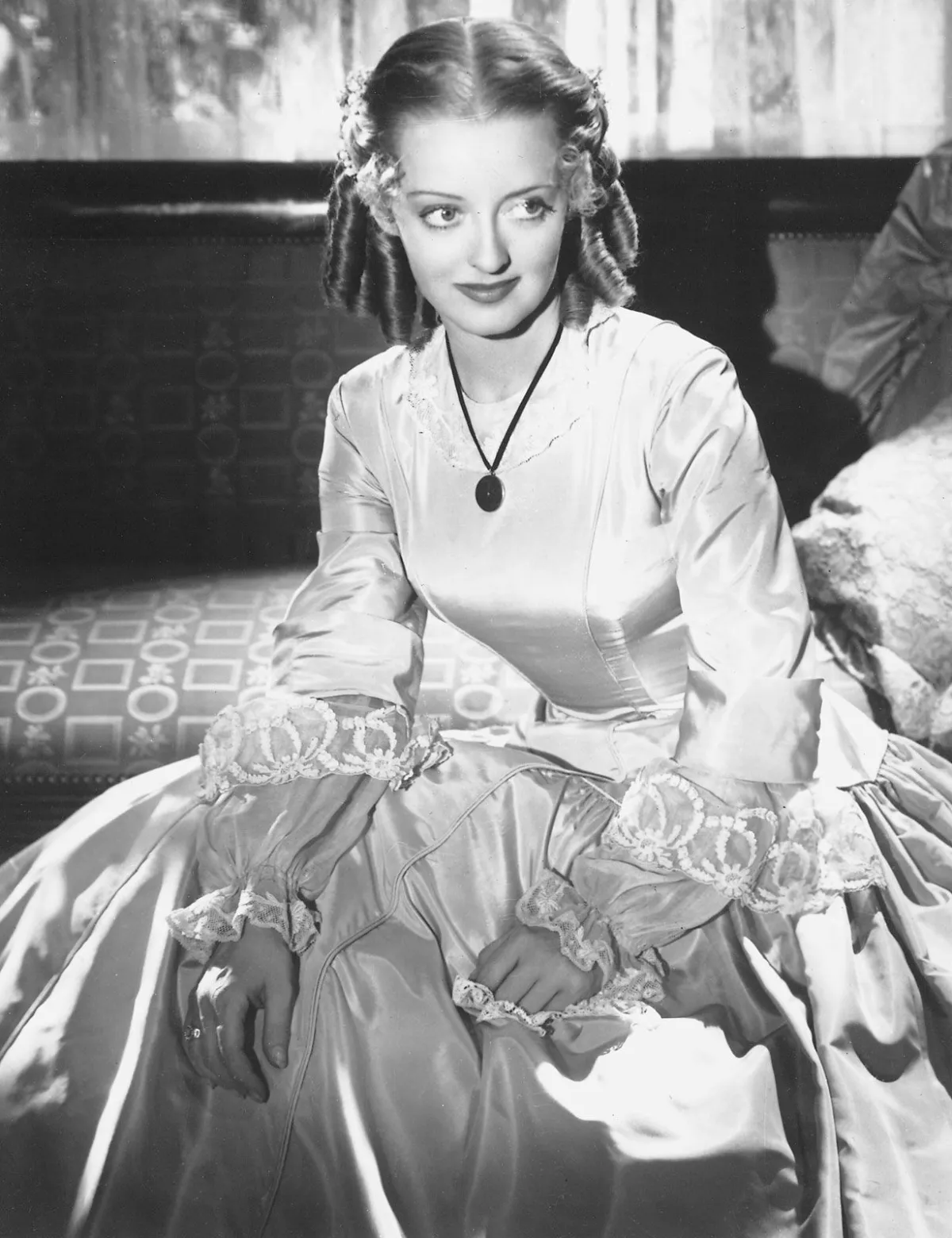 Photo: Bette Davis, via cdn.britannica.com
 Photo: Jimmy Stewart, via d.newsweek.com
The average ticket cost 46 cents. That's roughly $5.50 in today's purchasing power. Compare that to the current national average of $10.78, and you start to understand why your grandparents talk about "going to the pictures" like it was grabbing a coffee.
But the real difference wasn't just price — it was accessibility. In 1950, the median household income was $3,300. A movie ticket represented about 0.01% of annual earnings. Today, with median household income around $70,000, that $10.78 ticket represents roughly the same percentage. So what changed?
Everything else.
When Popcorn Was a Treat, Not a Second Mortgage
Your great-grandmother might have splurged on a 10-cent bag of popcorn — about $1.20 today. She definitely didn't face the modern concession stand, where a large popcorn costs $8.50 and a medium soda runs $6.75. The entire family could enjoy a night out, snacks included, for what one person now pays for refreshments alone.
Theater owners back then made their money on volume, not margins. Pack the seats every night with affordable tickets, sell reasonably priced treats, and the business model worked. The neighborhood theater was a community hub, not a luxury destination.
Contrast that with today's AMC or Regal experience. Reserved seating fees. IMAX surcharges. 3D premiums. Luxury recliners that justify higher base prices. What was once a simple transaction — ticket, seat, movie — has become a menu of upgrades and add-ons.
The Multiplex Revolution That Changed Everything
The shift began in the 1960s with the rise of multiplex theaters in suburban shopping centers. These weren't neighborhood fixtures — they were destinations requiring car trips and parking fees. The intimate, single-screen experience gave way to massive complexes with dozens of theaters and corporate concession stands.
Multiplexes brought efficiency and choice, but they also brought corporate pricing strategies. Instead of the local theater owner who knew his customers and priced accordingly, you had national chains optimizing profit margins across thousands of locations.
By the 1980s, the average ticket price had climbed to $3.55 — still reasonable, but the trajectory was clear. Theaters were becoming businesses first, community gathering places second.
The Premium Experience Arms Race
Then came the real acceleration. As home entertainment improved — first VHS, then DVDs, then streaming — theaters had to justify the trip out of the house. Enter the premium experience: stadium seating, surround sound, IMAX screens, and eventually luxury recliners with food service.
Each upgrade came with a price bump. IMAX tickets now cost $18-25 in major markets. Dolby Cinema experiences push past $20. Add premium concessions — craft beer, gourmet popcorn, full meals — and a family of four easily spends $100 for a single movie.
The industry's logic makes sense: if fewer people are coming, charge the ones who do come more money. But it creates a feedback loop. Higher prices mean fewer casual moviegoers, which means even higher prices to maintain revenue.
When Netflix Became Cheaper Than Date Night
Consider this: a Netflix subscription costs $15.49 per month. That's less than a single movie ticket in many cities. For the price of one theater visit, you get unlimited access to thousands of titles, watched in comfort, with bathroom breaks and snacks from your own kitchen.
 Photo: Netflix, via blog.logomyway.com
Your grandparents didn't have this choice. If you wanted to see a movie, you went to the theater. Period. Television existed, but it showed old movies and reruns. The theater had a monopoly on new entertainment.
Now, major studios release films simultaneously in theaters and on streaming platforms. The exclusive theatrical window — once six months or more — has shrunk to weeks or disappeared entirely. Why pay $20 to see a movie when you can watch it at home for $6.99 rental fee or just wait a few weeks for it to hit your existing streaming service?
The Death Spiral or Natural Evolution?
Movie theater attendance peaked in 2002 and has declined steadily since, accelerating dramatically during the pandemic. The industry blames streaming services, but the numbers tell a different story. Even before Netflix, attendance was dropping as prices climbed.
In 1950, the average American attended 23 movies per year. By 2019, that number had fallen to 3.5. Part of this reflects increased entertainment options, but a significant factor is simple economics. When movie tickets were cheap, going to the movies was an impulse decision. When they cost $20, it becomes a planned event.
Some chains are experimenting with subscription models — pay a monthly fee for unlimited movies. Others offer discount days and matinee pricing. But these feel like desperate measures rather than sustainable solutions.
The Community We Lost
Beyond the economics lies something harder to quantify: the loss of shared cultural experience. When everyone in town saw the same movie on the same weekend, it created common ground for conversation. The neighborhood theater was where first dates happened, where families spent Friday nights, where communities gathered around stories.
Today's fragmented viewing — different streaming services, different schedules, different screens — lacks that unifying power. We've gained convenience and choice, but lost something essential about how entertainment brings people together.
The irony is striking: as movie production budgets have soared to hundreds of millions of dollars, the experience of watching them has become increasingly solitary and private. Hollywood makes bigger spectacles for smaller, more exclusive audiences.
So did streaming kill the cinema? Or did the cinema kill itself by pricing out the very communities that once sustained it? The answer might be both — and neither. What's certain is that the casual, affordable movie night your grandparents knew is as extinct as the neighborhood theater that made it possible.